
Mold in HVAC Ducts: Symptoms and Cleaning Options
Your heating and air conditioning system moves all the air in your home through the same ducts, over and over. When mold grows inside the system, that air can carry spores and musty odors into every room. Often the first clue is a stale smell when the AC turns on, or black spots around the vents.
Quick answer: mold in HVAC systems usually grows where moisture collects: on the AC evaporator coil, in the drain pan, in poorly insulated ducts and around vents. Signs include a musty smell when the system runs, visible spots on vents, and allergy symptoms that worsen at home. You can clean vent covers, replace filters and clean the drain pan yourself, but mold inside ducts or on the coil should be handled by an HVAC professional, and the moisture source must be fixed.
Where mold grows in an HVAC system
| Part | Why mold grows there |
|---|---|
| Evaporator coil | It gets cold and wet every time the AC runs, and dust sticks to it |
| Condensate drain pan and line | Water collects here; a clogged line leaves standing water |
| Air handler cabinet | Humid and dark, especially if it’s in an attic, basement or crawl space |
| Ductwork | Condensation forms on ducts running through hot, humid spaces; dust gives mold food |
| Supply vents and registers | Cold air meets warm, humid room air and condenses on the vent |
| Air filter | A dirty or damp filter can grow mold and spread it |
What causes it
- High indoor humidity. Above about 60%, condensation forms more easily in the system.
- An oversized AC. It cools the air too fast and shuts off before removing enough moisture.
- A clogged condensate drain. Water backs up into the pan and the air handler.
- Leaky or uninsulated ducts in attics and crawl spaces, where warm humid air hits cold metal.
- Dirty filters and coils, which trap dust and moisture.
- Water damage from a flood or leak near the system.
Signs of mold in your air ducts
- A musty or earthy smell when the heat or AC turns on
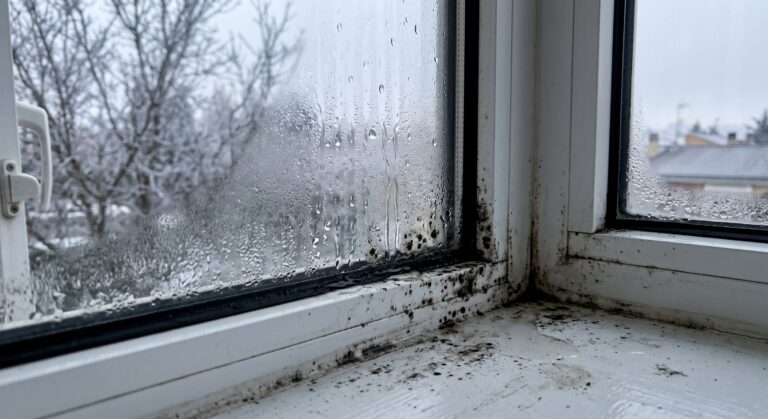
- Black or dark spots on vent covers or the ceiling around them
- Allergy symptoms (stuffy nose, sneezing, itchy eyes) that get worse when the system runs
- Visible mold on the coil, in the drain pan or inside the air handler
- Water leaking from the indoor unit
Tip: dark spots on the ceiling right around a vent are sometimes just dust and soot stains, not mold. If they wipe off easily and have no smell, it’s likely dirt.
What you can do yourself
Some parts of the system are safe and easy to clean. Always turn off the system at the thermostat and the breaker first.
- Replace the air filter. Change it every 1 to 3 months, or sooner if it looks dirty. A MERV 8 to 11 filter captures many mold spores without restricting air flow too much in most homes.
- Clean vent covers. Unscrew them, wash them in warm soapy water, dry completely and reinstall. Wipe the area around the vent opening.
- Clean the condensate drain pan. If you can reach it, remove standing water and wipe it with a mild cleaner.
- Clear the condensate line. Many systems have a cleanout access. Pouring a cup of white vinegar into it every few months helps prevent clogs and growth.
- Check humidity. Use a hygrometer. If it’s often above 50% to 60%, that’s part of the problem.
What not to do: don’t spray household cleaners or bleach into the ducts, and don’t try to scrub inside ductwork yourself. It can spread spores through the house and damage the system. Only products registered for use in HVAC systems should be used, and professionals should apply them.
Professional cleaning options
The EPA doesn’t recommend routine duct cleaning for most homes, but it does suggest considering it when there’s substantial visible mold growth inside ducts or other parts of the system. A professional job usually includes:
- An inspection of the ducts, coil, drain pan and air handler, often with a camera.
- Coil and drain pan cleaning to remove mold and debris.
- Duct cleaning using powerful vacuums (negative air pressure) and brushes to remove dust and mold.
- Replacing damaged parts, such as moldy insulated ducts or flex duct, which usually can’t be cleaned well.
- Fixing the cause, like a clogged condensate line, leaky ducts or an oversized unit.
Look for companies certified by NADCA (the National Air Duct Cleaners Association), and ask them to show you the mold before and after. Be cautious of very cheap “whole house duct cleaning” deals, which are often a sales tactic.
How to prevent mold in your HVAC system
- Change filters regularly, every 1 to 3 months.
- Schedule yearly maintenance, ideally before summer, including a coil and drain pan check.
- Keep indoor humidity between 30% and 50%. Use a dehumidifier or a whole-house dehumidifier in humid climates.
- Keep the condensate line clear with a little vinegar every few months.
- Seal and insulate ducts in attics, crawl spaces and basements.
- Make sure the AC is the right size when replacing it.
- Run the fan on “auto,” not “on.” Leaving the fan running constantly can blow moisture from the wet coil back into the house.
When to call a professional
Call an HVAC contractor if you see mold on the coil, in the air handler or inside ducts, water is leaking from the indoor unit, the musty smell continues after changing the filter and cleaning vents, or anyone at home has asthma or allergies that worsen when the system runs.
Frequently asked questions
Why does my AC smell musty when it turns on?
Usually because mold or bacteria are growing on the evaporator coil or in the drain pan, or the filter is dirty. Replace the filter and have the coil and drain checked.
Is black mold on air vents dangerous?
It’s usually a common mold, but because the system spreads air through the whole house, it’s worth dealing with. Clean the vent covers and find out whether the mold is only on the surface or inside the duct.
Can I clean mold in air ducts myself?
You can clean vent covers, change filters and clear the drain line. Cleaning inside ducts should be done by professionals with the right equipment.
Will an air purifier fix mold in the ducts?
No. An air purifier can reduce spores in the air, but it won’t remove the mold growing inside the system.
How often should air ducts be cleaned?
There’s no fixed schedule. Clean them when there’s visible mold, heavy dust or debris, or pests in the ducts, not just as routine maintenance.
Sources
- U.S. Environmental Protection Agency (EPA): A Brief Guide to Mold, Moisture, and Your Home
- Centers for Disease Control and Prevention (CDC): Mold
Last reviewed: October 2026. This article is for general information and is not medical, legal or professional advice.