Mold Behind Drywall: When to Cut It Out
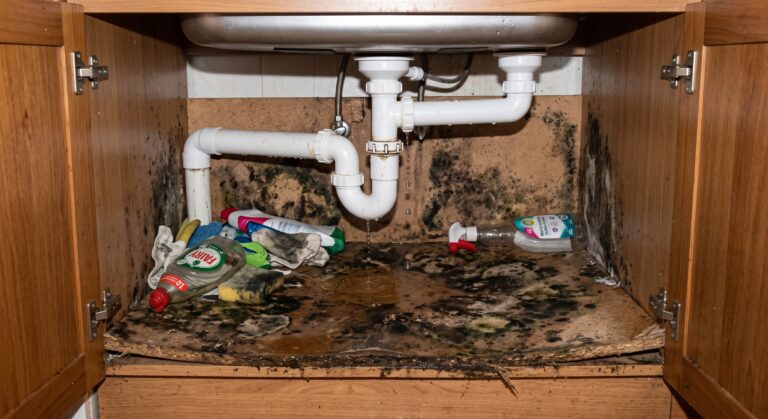
Drywall is in almost every room of an American home, and it has one big weakness: its paper face and gypsum core soak up water and give mold plenty to eat. When mold shows up on a wall, the big question is whether you can clean it or whether that piece of drywall has to go.
Quick answer: you can clean light surface mold on painted drywall that’s dry and solid. But if the drywall got wet from behind, feels soft, is stained all the way through, keeps growing mold after cleaning, or has mold on the back side, it should be cut out and replaced. Moldy drywall can’t be fully cleaned because mold grows into the paper and gypsum. Cut at least 12 inches beyond the visible mold, fix the water source, and dry the wall cavity before closing it up.
Clean it or cut it out?
| Situation | Clean it | Cut it out |
|---|---|---|
| Small spots on the painted surface, wall dry and solid | ✅ | |
| Mold from condensation that wipes off and doesn’t return | ✅ | |
| Stain goes through the paint into the paper | ✅ | |
| Drywall feels soft, crumbly or swollen | ✅ | |
| Paint bubbling or peeling from moisture behind | ✅ | |
| Drywall got wet from a leak or flood for more than 24–48 hours | ✅ | |
| Mold keeps coming back in the same spot after cleaning | ✅ | |
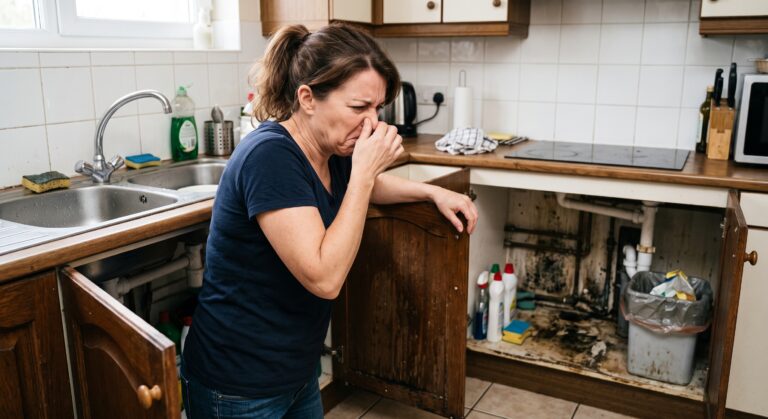
| Strong musty smell from the wall with little visible mold | ✅ (after checking inside) | |
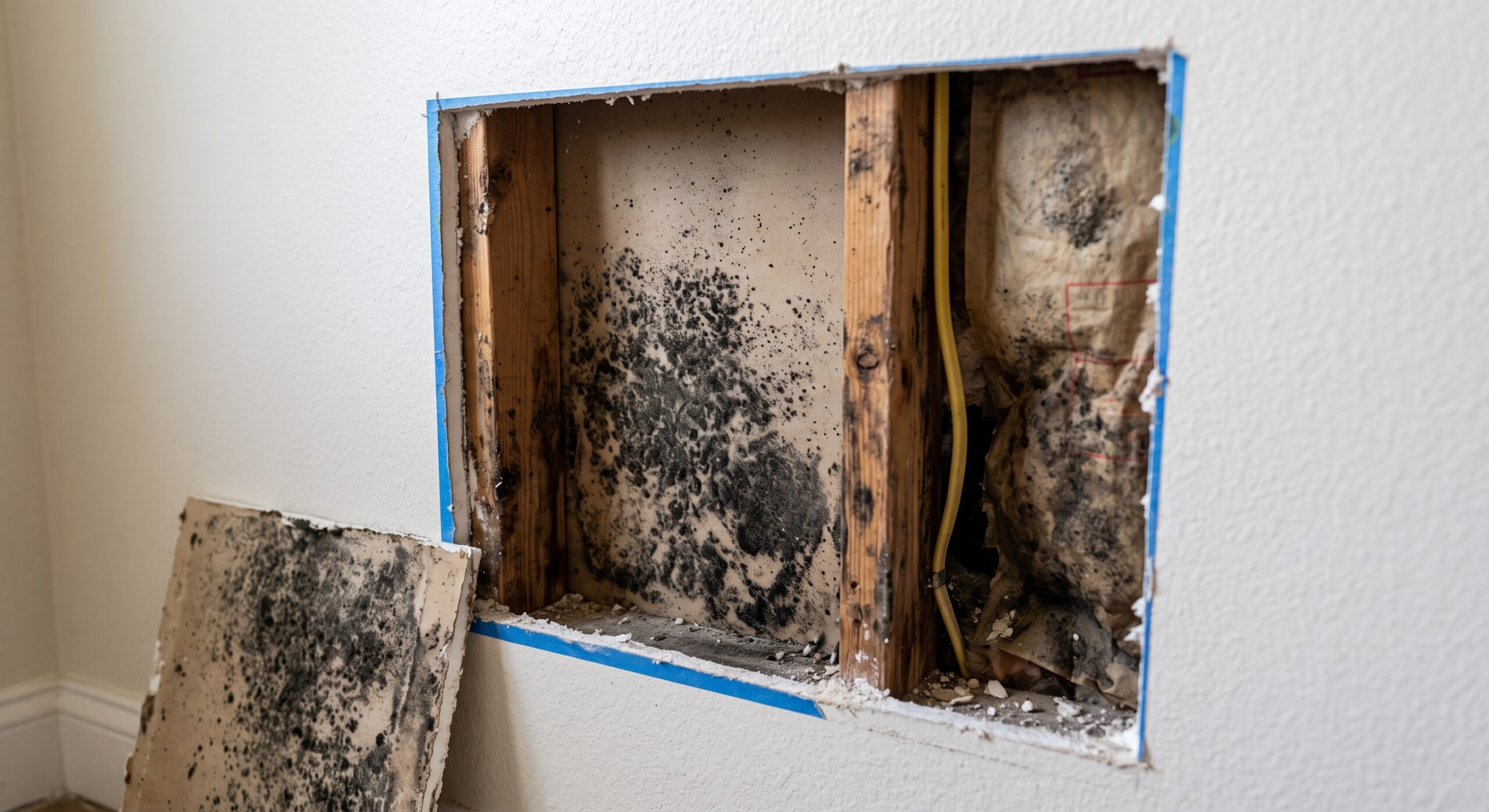
| Mold on the back of the drywall or inside the wall cavity | ✅ |
Why moldy drywall can’t be saved: drywall is porous. Mold grows into the paper face and the gypsum, where cleaners can’t reach. Surface cleaning may make it look fine, but the mold is still there and will return, especially if moisture comes back.
How to check inside the wall first
- Use a moisture meter on the wall and compare the reading with a dry wall in the same room.
- Look behind an outlet cover with the power off at the breaker.
- Drill a small inspection hole (about 1 inch) near the bottom of the wall and look inside with a flashlight or a cheap inspection camera.
- Check the other side of the wall for leaks from a bathroom, kitchen or laundry room.
How to cut out and replace moldy drywall
This is a DIY job only for small areas (less than about 10 square feet) with no electrical or plumbing complications. Otherwise, call a pro.
What you’ll need: an N95 mask (or better), goggles, gloves, disposable coveralls, plastic sheeting, painter’s tape, a utility knife and drywall saw, heavy-duty trash bags, a HEPA vacuum, a moisture meter, fans and a dehumidifier, and new drywall, screws, joint tape and compound.
- Fix the water source first. Repair the leak or cause of moisture.
- Turn off power to the area at the breaker and check for wires and pipes before cutting.
- Contain the area. Tape plastic sheeting over doorways and vents. Keep the door closed.
- Mist the moldy surface lightly with water to reduce spores in the air.
- Mark and cut. Mark a rectangle at least 12 inches beyond the visible mold on all sides, ideally from stud to stud. Cut with a utility knife or drywall saw, keeping the cut shallow near wires and pipes.
- Bag it immediately. Place the moldy pieces straight into heavy-duty bags and seal them.
- Inspect the cavity. Remove wet or moldy insulation. Check the studs and the back of the drywall on the other side.
- Clean the framing. HEPA-vacuum, then scrub solid studs with detergent and water or a wood-safe mold cleaner.
- Dry completely. Use fans and a dehumidifier until a moisture meter shows the studs are dry, which can take several days.
- Replace. Install new insulation, then new drywall (mold-resistant drywall is a good choice for bathrooms and basements), tape, finish and paint.
- Clean up. HEPA-vacuum the room, wipe surfaces, and remove the plastic carefully.
When to call a professional
Call a mold remediation company if:
- The moldy area is larger than about 10 square feet.
- The mold came from a flood or sewage backup.
- The wall contains electrical wiring, plumbing or gas lines you’re not comfortable working around.
- Mold is in several walls or rooms, or inside the ceiling.
- Anyone at home has asthma, allergies or a weakened immune system.
Professionals set up proper containment with negative air pressure so spores don’t spread, and can test afterward to confirm the area is clean. A plumber or roofer may also be needed to fix the water source.
How to prevent mold behind drywall
- Fix leaks quickly and dry wet drywall within 24 to 48 hours.
- Keep indoor humidity between 30% and 50%.
- Use mold-resistant drywall in bathrooms, laundry rooms and basements.
- Leave a small gap between drywall and concrete floors in basements, so it can’t wick up water.
- Seal gaps around tubs, showers and sinks with good caulk.
- Check walls that share plumbing (behind toilets, sinks and washers) for stains or soft spots.
Frequently asked questions
Can I just paint over mold on drywall?
No. Mold will grow back through the paint. Even mold-killing primers only work on surfaces that have been cleaned, are dry and aren’t damaged.
How far past the mold should I cut drywall?
At least 12 inches beyond the visible edge of the mold on all sides. Many people cut from stud to stud to make the patch easier.
Does bleach kill mold on drywall?
Bleach doesn’t reach mold inside porous materials, and it adds moisture. It’s not recommended for drywall.
How long does it take for mold to grow in wet drywall?
Mold can start growing within 24 to 48 hours, which is why fast drying is so important after a leak.
Does insurance cover replacing moldy drywall?
Often only if the mold was caused by a sudden covered event, like a burst pipe. Mold from long-term leaks is usually excluded.
Sources
- U.S. Environmental Protection Agency (EPA): A Brief Guide to Mold, Moisture, and Your Home
- Centers for Disease Control and Prevention (CDC): Mold
Last reviewed: October 2026. This article is for general information and is not medical, legal or professional advice.