Yellow Mold on Wood: Causes and Treatment
Yellow mold on wood can mean simple surface mold or wood-rotting fungus. Learn how to tell, how risky it is, and how to treat it.

Not sure what’s growing on your wall, ceiling or basement joists? These guides help you identify the most common types of household mold by color, smell and location, tell mold apart from look-alikes like mildew and efflorescence, and understand which signs point to a bigger moisture problem. Start with our complete guide to the types of household mold, then explore the specific colors and situations you’re dealing with.
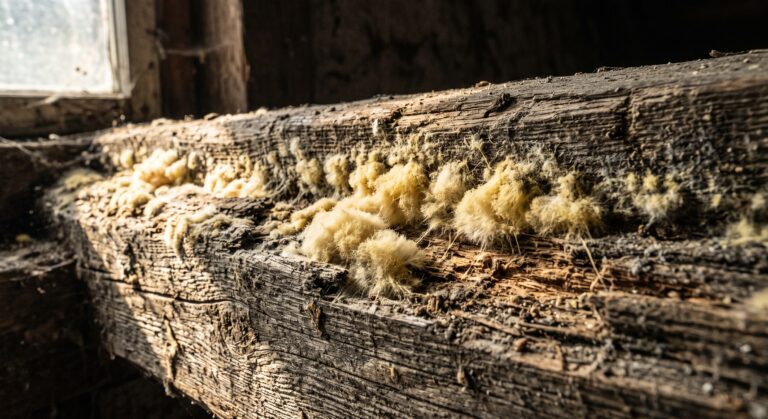
Yellow mold on wood can mean simple surface mold or wood-rotting fungus. Learn how to tell, how risky it is, and how to treat it.

Musty smell, bubbling paint or stains? Learn the 10 signs of mold behind walls and how to check without tearing them down.

Mold smells musty and earthy, like wet socks or old books. Learn why, where to look when you can’t see it, and how to get rid of the smell.
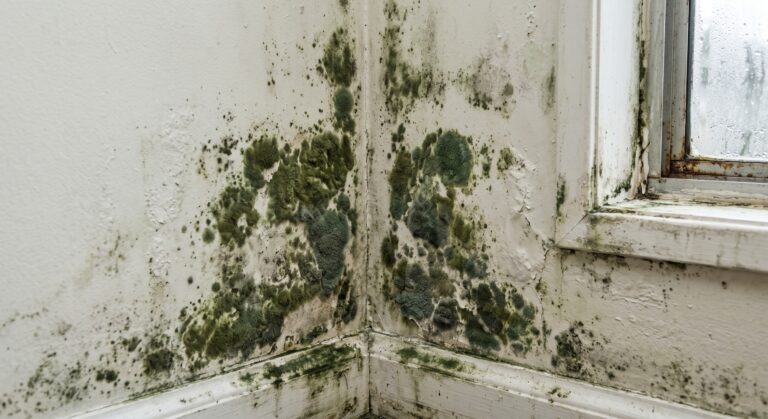
Found green mold on your walls? Learn what causes it, how risky it really is, and how to remove it safely and keep it from coming back.
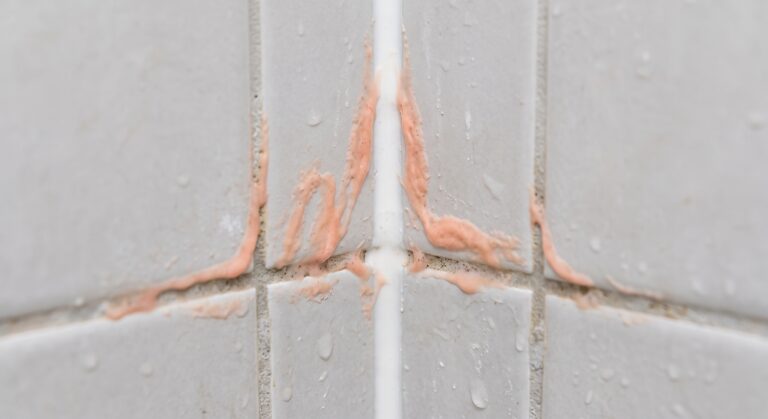
That pink slime in your shower is usually a bacterium, not mold. Learn what causes it, if it’s harmful, and how to remove it for good.
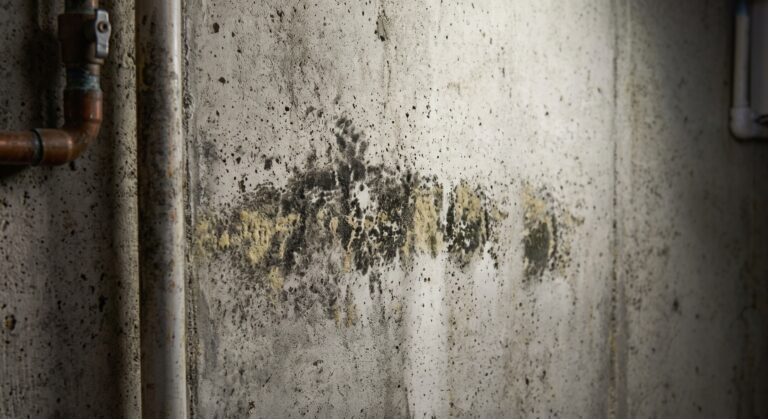
White powder on your basement walls? Learn if it’s harmless efflorescence or mold, with 4 simple tests and how to clean and prevent each.
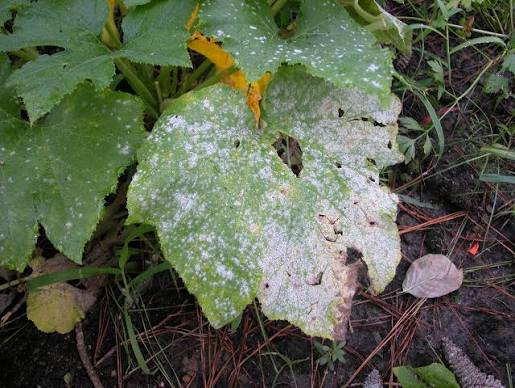
Mold and mildew look alike but aren’t the same. Learn how to tell them apart, which is worse, and how to clean and prevent each one.
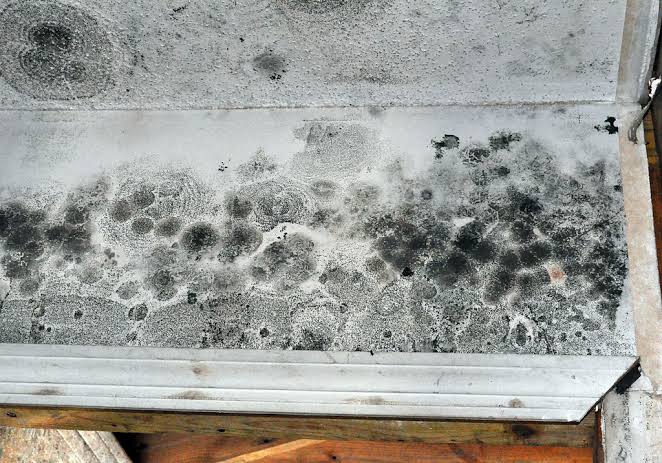
Not all black-colored mold is “black mold.” Learn how to tell Stachybotrys from common mold, how risky each is, and what to do next.
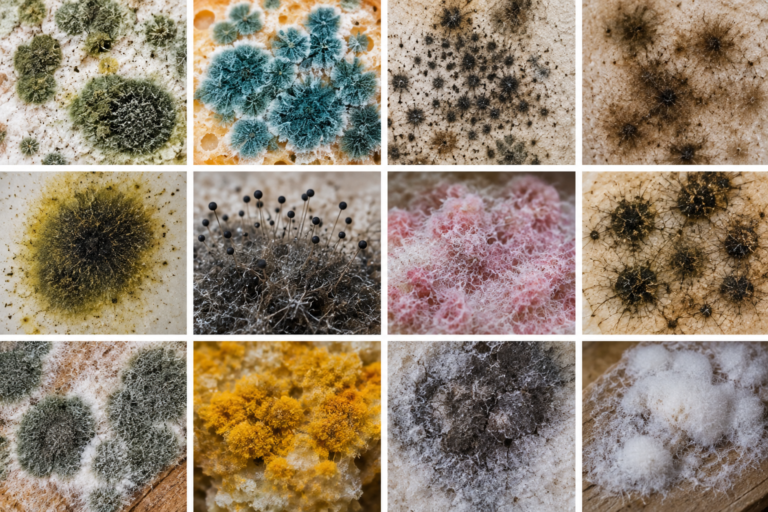
Learn to identify the most common types of household mold by color, smell and location, which ones matter, and when to call a pro.
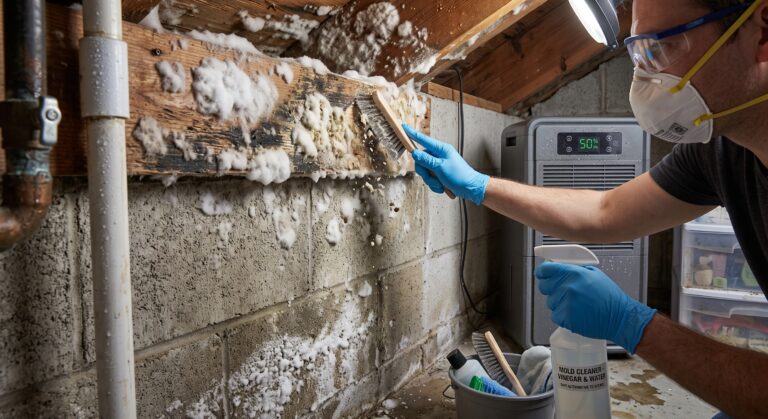
Found white, fuzzy growth in your basement? Learn if it’s mold or efflorescence, how risky it is, and how to remove it and keep it away.