How to Dry Out a House After Flooding
A step-by-step guide to drying your home after a flood: safety first, what to remove, how to dry walls and floors, and how to prevent mold.

Mold is always a moisture problem first. These guides help you control humidity and water in your home with the right indoor humidity levels, dehumidifiers, hygrometers, bathroom ventilation, basement waterproofing, sump pumps and what to do after a flood, so mold doesn’t get a chance to grow.

A step-by-step guide to drying your home after a flood: safety first, what to remove, how to dry walls and floors, and how to prevent mold.

Can an air purifier help with mold? Learn what HEPA purifiers can and can’t do, which technologies to avoid, and how to choose one.

Learn how a sump pump works, signs you need one, the main types and costs, and simple maintenance that keeps your basement dry.
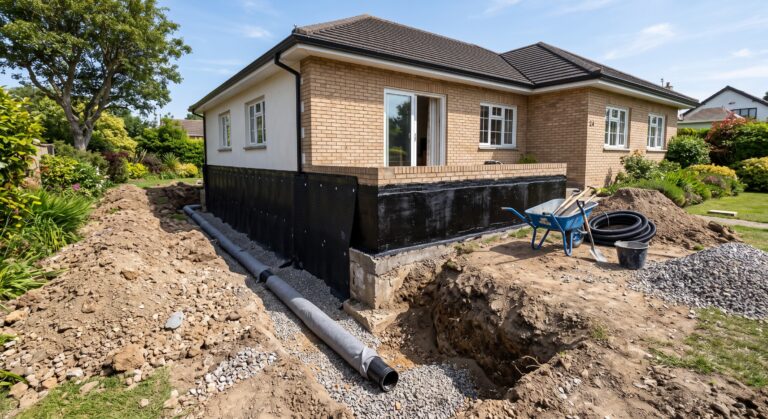
Compare basement waterproofing options, from DIY sealants to interior drains and exterior excavation, with typical cost ranges.
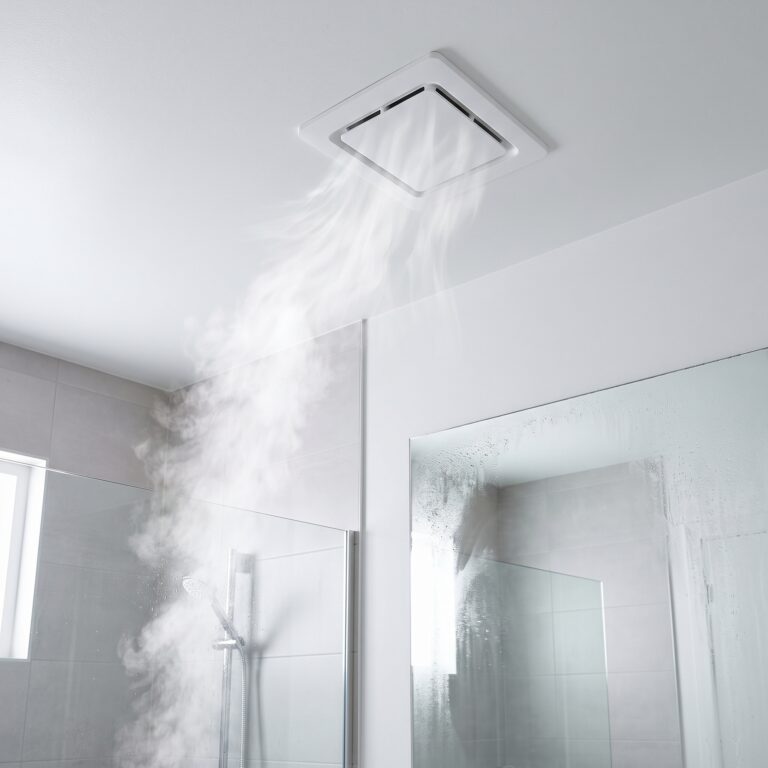
Steamy mirrors and mold on the ceiling? Learn how to test your bathroom fan, choose the right size, and improve ventilation.
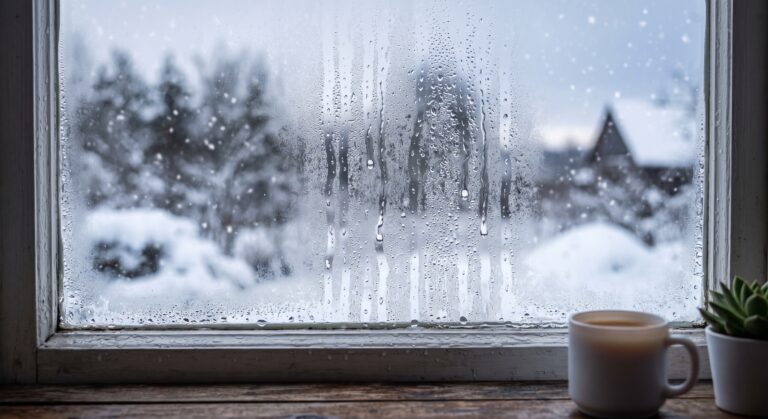
Wet windows every winter morning? Learn what causes condensation, quick fixes, long-term solutions and the right indoor humidity.

Find the right dehumidifier size for your room or basement with our simple chart based on square footage and dampness.

Find the right hygrometer to track indoor humidity: types compared, features that matter, where to place it and how to test it.
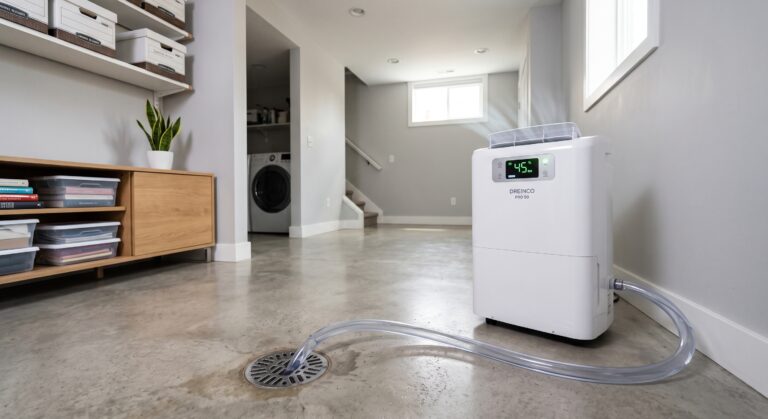
Find the right basement dehumidifier: the features that matter, types compared, the best picks for each situation and how to set it up.
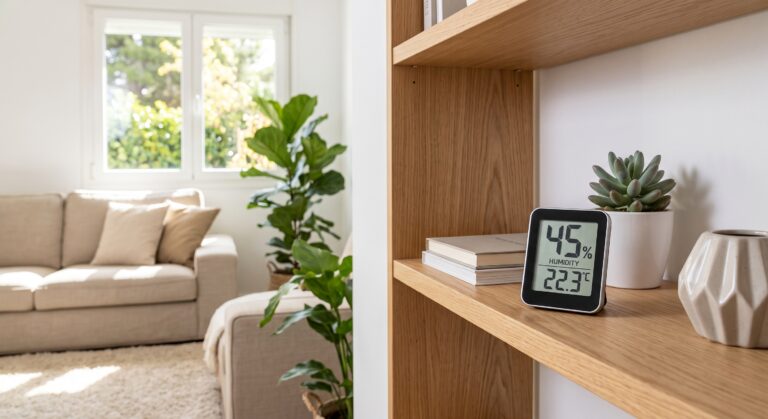
What humidity should your home be? Learn the ideal range to prevent mold, signs of high and low humidity, and how to measure and fix it.