
Basement Waterproofing Options and Costs
A damp or leaky basement doesn’t just ruin stored belongings. It’s one of the most common causes of mold in a home, and over time it can damage the foundation. The good news: there are solutions for every budget, from a few dollars for downspout extensions to full professional waterproofing.
Quick answer: basement waterproofing costs range from under a few hundred dollars for DIY fixes like gutter cleaning, downspout extensions and masonry sealants, to several thousand dollars for an interior drainage system with a sump pump, and $10,000 or more for exterior excavation and waterproofing. The right option depends on where the water comes from. Start with the cheapest outside fixes, then move to interior or exterior systems if water still gets in. Always get at least three quotes, as prices vary widely by region and home.
First: find where the water comes from
The right fix depends on the source. These are the most common:
| Source | Clues |
|---|---|
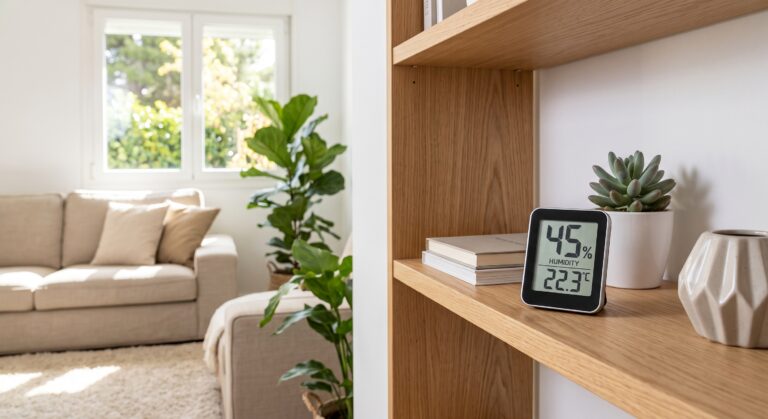
| Condensation | Damp walls and sweating pipes in summer, but no puddles; humidity above 60% |
| Surface water (rain, gutters, grading) | Water appears after rain, often along one wall or near a downspout |
| Groundwater / hydrostatic pressure | Water seeps where the wall meets the floor, or through the floor, especially in wet seasons |
| Foundation cracks | Water or stains along a specific crack |
| Window wells | Water around basement windows after storms |
| Plumbing leaks | Water near pipes, water heater or washer, regardless of weather |
The foil test: tape a 12 × 12 inch piece of aluminum foil tightly to the damp wall and leave it for 24 to 48 hours. If moisture forms on the outside of the foil, it’s condensation from indoor air. If it forms underneath (against the wall), water is coming through the wall.
Signs your basement needs waterproofing
- Puddles or wet spots on the floor after rain
- Water stains or tide lines on the walls
- White powdery deposits (efflorescence) on concrete or block
- Musty smell and mold on walls, joists or stored items
- Peeling paint or bubbling wall coatings
- Cracks in the walls or floor, especially if they’re growing
- Bowing or leaning walls (a serious structural sign)
- Rust on appliances or metal items on the floor
Basement waterproofing options and typical costs
Costs below are rough U.S. ranges and vary a lot by region, basement size, access and soil conditions. Use them to compare options, not as quotes.
1. Exterior water management (start here)
| Fix | What it does | Typical cost |
|---|---|---|
| Clean and repair gutters | Stops overflow next to the foundation | DIY or about $100–$300 for a service |
| Downspout extensions | Carry roof water 4 to 6+ feet from the house | About $10–$50 each (DIY) |
| Regrading soil | Makes the ground slope away from the house | About $500–$3,000+ |
| Window well covers and drains | Keep rain out of basement window wells | About $50–$300 per well |
These fixes are cheap and solve a surprising number of wet basements.
2. Interior sealing (light dampness)
| Fix | What it does | Typical cost |
|---|---|---|
| Waterproof masonry coating or sealer | Reduces moisture through concrete or block walls | About $100–$600 in materials (DIY) |
| Crack injection (epoxy or polyurethane) | Seals leaking cracks in poured concrete walls | About $300–$1,000 per crack (professional) |
Sealants work for dampness and minor seepage, not for water under pressure.
3. Interior drainage system (the most common professional fix)
| Fix | What it does | Typical cost |
|---|---|---|
| Interior perimeter drain (drain tile / French drain) | A channel cut into the floor along the walls collects water and carries it to a sump pump | Often about $40–$100 per linear foot; many projects land around $3,000–$10,000+ |
| Sump pump installation | Pumps collected water out of the house | About $600–$2,500, more with battery backup |
| Wall vapor barrier / dimple membrane | Directs wall seepage down into the drain | Often added to the drain system |
Interior systems don’t stop water from reaching the wall, but they control it reliably once it’s inside, without excavating.
4. Exterior waterproofing (the most complete fix)
| Fix | What it does | Typical cost |
|---|---|---|
| Excavation, membrane and exterior drain | Dig down to the footing, apply a waterproof membrane, install drainage and backfill | Often about $100–$300+ per linear foot; many projects run $10,000–$25,000+ |
It stops water before it reaches the foundation, but it’s disruptive (landscaping, decks and driveways may be affected) and expensive.
5. Structural repairs
Bowing or cracked walls may need wall anchors, steel braces or carbon fiber straps, which can add several thousand dollars or more. These require a foundation specialist or structural engineer.
How to choose the right option
| Your situation | Start with |
|---|---|
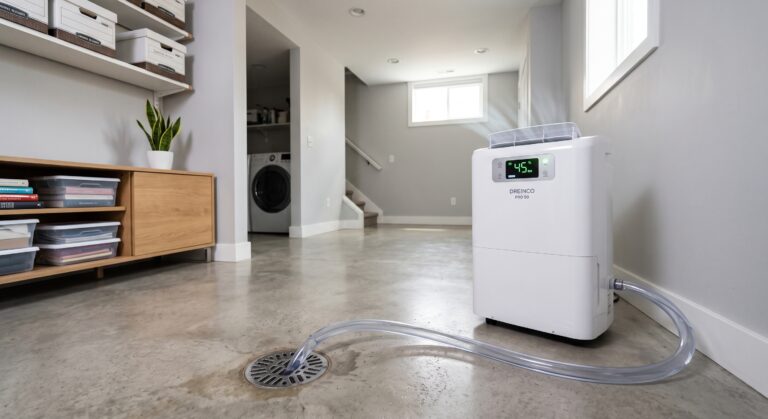
| Damp walls, no puddles, high humidity | Dehumidifier + check for condensation (foil test) |
| Water only after heavy rain, one area | Gutters, downspouts, grading, window well covers |
| A single leaking crack | Crack injection |
| Water along the floor edges or through the floor | Interior drainage system with sump pump |
| Severe, recurring leaks, or finishing the basement | Exterior waterproofing or a full interior system |
| Bowing, leaning or badly cracked walls | Foundation specialist or structural engineer first |
Tips for hiring a waterproofing contractor
- Get at least three written quotes that explain the cause they found and the exact work proposed.
- Be wary of high-pressure sales and “today only” discounts.
- Ask about the warranty: what it covers, how long, and whether it transfers to a new owner.
- Check licenses, insurance and reviews, and ask for references from recent jobs.
- Ask whether permits are needed for drains, sump pumps or excavation.
- Fix outside drainage first. A good contractor will mention gutters and grading before selling an expensive system.
Frequently asked questions
Is interior or exterior waterproofing better?
Exterior waterproofing stops water before it reaches the wall, but it costs more and is disruptive. Interior drainage systems are less expensive, less disruptive and very effective at keeping basements dry.
Do waterproofing paints really work?
They help with dampness and minor seepage, but they won’t stop water under pressure or leaks through cracks.
Does homeowners insurance cover basement waterproofing?
Usually not. Insurance may cover damage from a sudden event, but waterproofing is considered maintenance or an improvement.
Will waterproofing stop basement mold?
It removes a major cause. Combine it with a dehumidifier and clean any existing mold.
Is basement waterproofing worth it?
If water regularly gets in, usually yes: it protects your belongings, foundation and indoor air, and a dry basement adds usable space and value.
Sources
- U.S. Environmental Protection Agency (EPA): A Brief Guide to Mold, Moisture, and Your Home
- Centers for Disease Control and Prevention (CDC): Mold
Last reviewed: October 2026. This article is for general information and is not medical, legal or professional advice.