
Mold in the Attic: What Homeowners Need to Know
Most people rarely go up into their attic, which is exactly why attic mold can go unnoticed for years. It’s often discovered during a home inspection, a roof replacement, or when someone climbs up to store holiday decorations and sees dark stains all over the wood.
Quick answer: attic mold usually shows up as black or gray stains on the underside of the roof boards (sheathing) and rafters. It’s caused by warm, moist air from the house rising into a cold attic and condensing, by bathroom fans venting into the attic, or by roof leaks. Small areas can be cleaned, but the real fix is improving attic ventilation, sealing air leaks from the house and repairing any roof damage. Large areas and soft or rotten wood need a professional.
What attic mold looks like
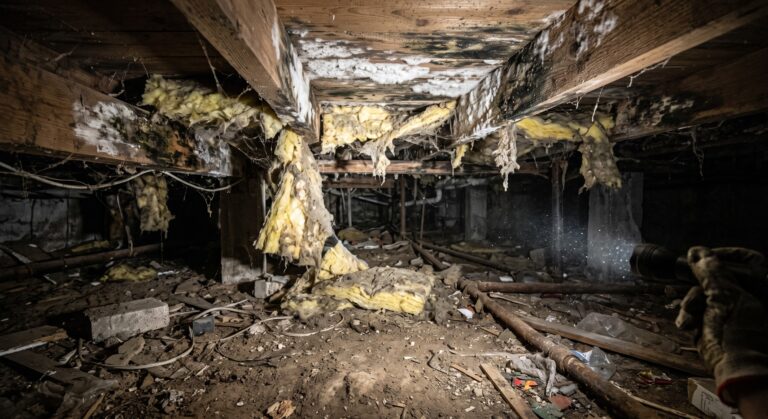
- Black or dark gray staining on the roof sheathing, often in a spotty or blotchy pattern. This is the most common sign.
- White, fuzzy growth on rafters or sheathing, sometimes mistaken for dust or frost.
- Stains that are worst on the north side of the roof, which gets less sun and stays colder and damper.
- Frost or water droplets on nails and the underside of the roof in winter, a sign of condensation.
- Damp or matted insulation, and a musty smell when you open the attic hatch.
What causes attic mold
Attic mold always comes from moisture. The main sources are:
| Cause | What happens | Clue |
|---|---|---|
| Poor ventilation | Damp air gets trapped instead of flowing out | Blocked soffit vents, no ridge or roof vents |
| Fans venting into the attic | Bathroom, kitchen or dryer vents blow humid air straight onto the wood | Mold concentrated around a vent duct |
| Air leaks from the house | Warm, humid air rises through gaps around lights, pipes, wiring and the hatch | Dirty insulation around ceiling openings |
| Too little insulation | The attic floor and roof get colder, so more moisture condenses | Thin or uneven insulation |
| Roof leaks | Rain gets in through damaged shingles, flashing or around the chimney | Water stains, mold in one specific area |
| Ice dams | Melting snow backs up under shingles and leaks inside | Mold near the eaves after winter |
In many homes, it’s a combination: moist air leaking up from the house plus poor ventilation to carry it away.
Is attic mold dangerous?
For your health: the attic is separate from your living space, but not sealed off. Air moves between the two through gaps in the ceiling, so spores can reach the rooms below. For most healthy people, the risk is low, but it can affect people with allergies, asthma or weakened immune systems. If you have symptoms that improve when you’re away from home, talk to a doctor. This article is general information, not medical advice.
For your home: long-term moisture can rot the roof sheathing and rafters, rust nails, and ruin insulation. Rotten sheathing weakens the roof and makes a future roof replacement more expensive.
How to remove attic mold
Working in an attic is hot, cramped and dusty, and you must only step on the joists, never between them. For small areas of surface mold, you can do it yourself:
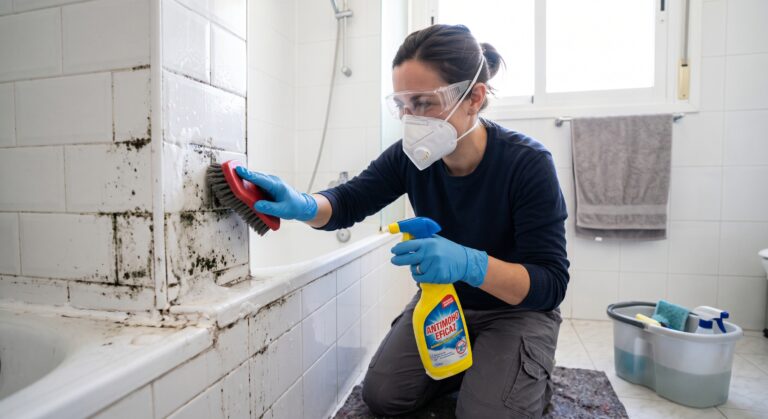
- Protect yourself. Wear an N95 mask, goggles, gloves, long sleeves and a hat. Bring good lighting.
- Fix the moisture source first. Reroute any fan ducts that end in the attic and repair roof leaks.
- HEPA-vacuum loose mold and dust from the wood.
- Scrub the wood with detergent and water or a wood-safe mold cleaner. Avoid soaking it.
- Let it dry completely with good ventilation.
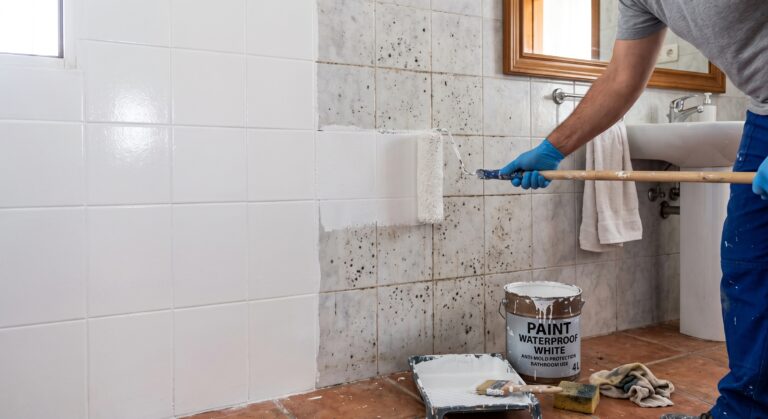
- Seal it (optional) with a mold-resistant primer or encapsulating coating.
Black staining often remains even after the mold is dead. If the wood is solid and dry, the stain alone isn’t a problem, but some buyers and inspectors prefer it to be sealed.
When a professional is the better choice
For most attics with widespread mold, a professional is worth it. They use methods like dry ice blasting or soda blasting, which clean large areas of sheathing quickly without adding moisture, then apply antimicrobial and encapsulating coatings. They’ll also replace any soft or rotten sheathing.
How to prevent attic mold
- Vent fans outside. Make sure bathroom, kitchen and dryer vents run through ducts all the way to the roof or an exterior wall.
- Keep soffit vents clear. Insulation often blocks them. Install baffles (rafter vents) so air can flow from the soffits up to the ridge.
- Balance the ventilation. Air should come in low (soffits) and leave high (ridge or roof vents).
- Seal air leaks. Use caulk or spray foam around light fixtures, pipes, wiring, chimneys and the attic hatch. Add weatherstripping to the hatch.
- Add insulation to the recommended level for your climate. It keeps the attic floor warmer and reduces condensation.
- Maintain the roof. Replace damaged shingles and flashing, and check the attic after heavy storms.
- Prevent ice dams in cold climates with good insulation, ventilation and roof heating cables where needed.
- Inspect once a year. A quick look with a flashlight in fall and spring can catch problems early.
When to call a professional
Call a mold remediation company if mold covers a large part of the roof sheathing, the wood is soft or rotten, or you’re selling your home. Call a roofer for leaks and ice dams, and an insulation or HVAC contractor to fix ventilation and air sealing. Solving the ventilation problem is what keeps attic mold from coming back.
Frequently asked questions
Is black mold in the attic common?
Yes, it’s very common, especially in older homes and cold climates. But it isn’t normal: it means there’s a moisture or ventilation problem that should be fixed.
Will attic mold affect selling my house?
Often, yes. Home inspectors usually check the attic, and buyers may ask for the mold to be treated or for a lower price. Fixing it before listing can make the sale smoother.
Can I just add more roof vents?
Ventilation helps, but it’s rarely enough on its own. You also need to stop moist air from rising into the attic and make sure fans vent outside.
Does homeowners insurance cover attic mold?
Usually only if it was caused by a sudden, covered event like storm damage to the roof. Mold from poor ventilation or long-term leaks is often excluded.
Can attic mold make me sick if I never go up there?
It’s less likely than mold in living areas, but air and spores can move through ceiling gaps. People with allergies or asthma may notice symptoms.
Sources
- U.S. Environmental Protection Agency (EPA): A Brief Guide to Mold, Moisture, and Your Home
- Centers for Disease Control and Prevention (CDC): Mold
Last reviewed: October 2026. This article is for general information and is not medical, legal or professional advice.