Mold Allergy vs. Seasonal Allergy: How to Tell the Difference
Sneezing, a runny nose and itchy eyes can come from many places. Two of the most common causes are pollen (seasonal allergies) and mold. Because their symptoms are almost identical, it can be hard to know which one is bothering you, and the answer matters, because the fix is different.
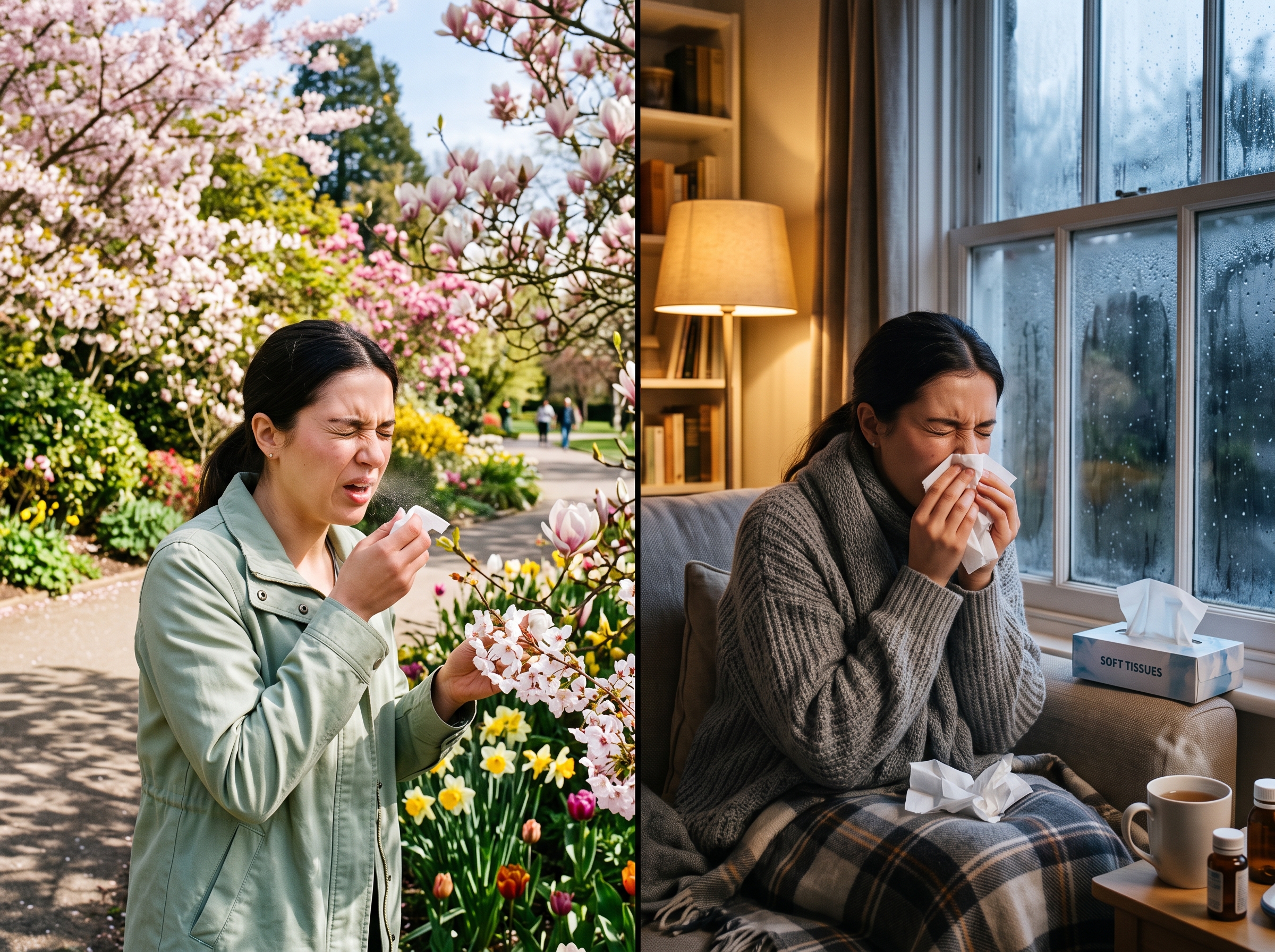
Quick answer: mold and pollen allergies cause the same symptoms: sneezing, congestion, runny nose, itchy eyes and coughing. The differences are timing and place. Pollen allergies follow the seasons and are worse outdoors on dry, windy days. Outdoor mold allergies peak in warm, humid weather and fall, around damp leaves and rain. Indoor mold allergies can last all year and are worse in specific rooms, like a damp basement or bathroom. Many people are allergic to both. An allergist can confirm which with simple skin or blood tests.
Medical disclaimer: this article is general information, not medical advice. For diagnosis and treatment of allergies, talk to a doctor or allergist.
What each one is
Seasonal allergies (often called hay fever or allergic rhinitis) are usually caused by pollen from trees, grasses and weeds. Plants release pollen at specific times of year, so symptoms come and go with the seasons.
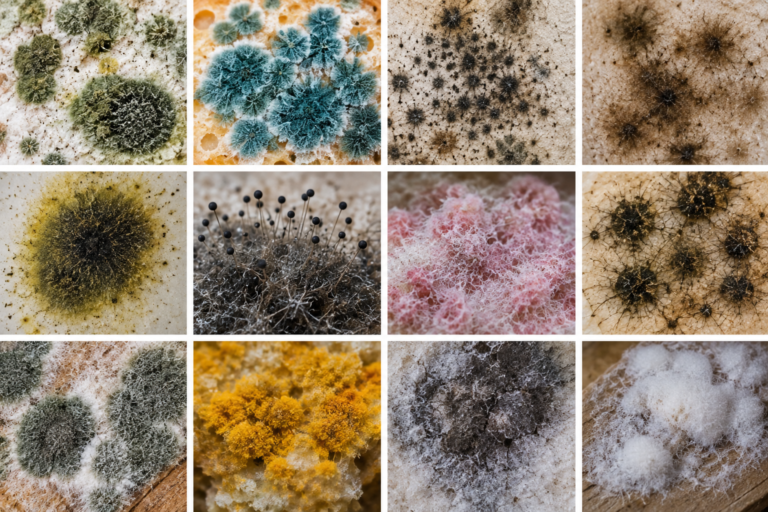
Mold allergies are caused by mold spores. They come in two types:
- Outdoor mold: grows on damp leaves, soil, compost, rotting wood and plants. Spore counts rise in warm, humid weather and stay high into fall, especially after rain.
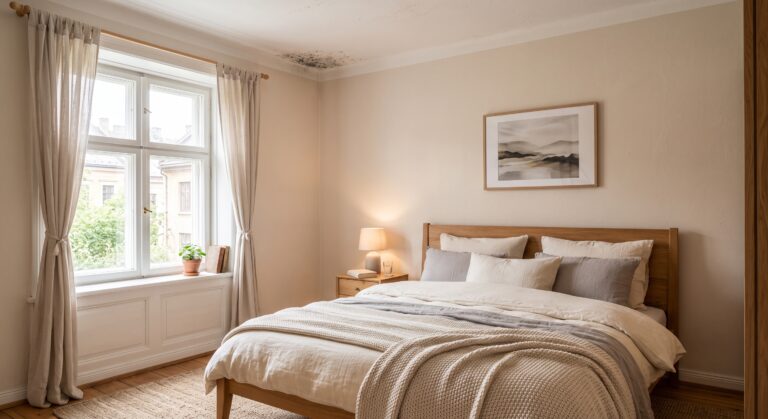
- Indoor mold: grows wherever there’s moisture inside, such as bathrooms, basements, around windows and behind walls. It can cause symptoms all year.
Mold allergy vs. seasonal (pollen) allergy
| Pollen allergy | Outdoor mold allergy | Indoor mold allergy | |
|---|---|---|---|
| Main symptoms | Sneezing, runny or stuffy nose, itchy eyes, nose and throat, cough | Same | Same, often with ongoing congestion |
| When | Spring (trees), late spring–summer (grasses), late summer–fall (weeds like ragweed) | Warm, humid months; often peaks late summer and fall | All year; often worse in fall and winter when windows stay closed |
| Weather | Worse on dry, windy, sunny days | Worse on humid days and after rain | Worse in humid weather and when the heating or AC runs |
| Where | Outdoors; better indoors with windows closed | Outdoors, especially around leaves, compost, gardens | Indoors; worse in specific rooms (basement, bathroom, bedroom) |
| Clue | Improves after a good rain washes pollen out of the air | Worsens when raking leaves, mowing or gardening | Improves when you’re away from home for a few days |
Allergy seasons at a glance
Timing varies by region and by year, but in much of the U.S.:
- Spring: tree pollen
- Late spring to summer: grass pollen
- Late summer to fall: ragweed pollen and outdoor mold peaks
- Winter: pollen is low; indoor mold, dust mites and pet dander are the usual suspects
If your symptoms are worst in the fall, it could be ragweed, outdoor mold, or both.
Clues to tell them apart
Keep a simple symptom diary for two to four weeks. Note how you feel each day, where you were and what the weather was like. Patterns like these can point in one direction:
Points to pollen:
- Symptoms start at the same time every year, in spring or early summer
- They’re worse on dry, windy days and after time outdoors
- They improve after rain or when you stay inside with windows closed
- Your local pollen count is high on your worst days
Points to outdoor mold:
- Symptoms are worse in humid weather, after rain and in the fall
- Raking leaves, mowing, gardening or handling compost sets them off
- They continue after the first frost has ended most pollen
Points to indoor mold:
- Symptoms last all year, or are worse in winter when the house is closed
- They’re worse in a particular room, like the basement or bathroom
- They improve when you’re away from home for a few days
- You notice a musty smell, visible mold or condensation at home
Many weather apps and allergy websites show local pollen and mold spore counts, which can help you see what lines up with your symptoms.
How doctors diagnose allergies
An allergist (or your primary care doctor) can confirm what you’re allergic to:
- Medical history: when, where and how your symptoms happen. Your symptom diary is very useful here.
- Skin prick test: tiny amounts of common allergens, including several molds and pollens, are placed on the skin to see which cause a small reaction.
- Blood test: measures allergy antibodies to specific allergens.
Knowing exactly what triggers your symptoms helps you focus on the right fixes and choose the right treatment with your doctor.
How to reduce your exposure
To pollen
- Check daily pollen counts and limit time outdoors on high days
- Keep windows closed during peak season; use AC with a clean filter
- Shower and change clothes after spending time outside
- Dry laundry indoors or in a dryer during peak pollen season
To outdoor mold
- Avoid raking leaves, mowing or handling compost, or wear an N95 mask when you do
- Clear piles of wet leaves away from the house
- Check mold spore counts on humid days and after rain
To indoor mold
- Keep indoor humidity between 30% and 50%
- Fix leaks and condensation, and run exhaust fans
- Clean small areas of mold and call a pro for large ones
- Use a HEPA air purifier in the bedroom
- Keep plants, firewood and damp items to a minimum indoors
Treatment
Many people manage allergy symptoms with over-the-counter or prescription treatments, and some benefit from allergy shots (immunotherapy). Talk to a doctor or pharmacist about what’s right for you, especially if you have asthma, are pregnant, or take other medications.
Frequently asked questions
Can you be allergic to both mold and pollen?
Yes, it’s common. Many people with seasonal allergies are also sensitive to mold, which can make symptoms last longer through the year.
Why are my allergies worse in the fall?
Ragweed pollen and outdoor mold spores both peak in late summer and fall, especially in humid weather and around fallen leaves.
Why do I have allergies all year?
Year-round symptoms often point to indoor triggers such as mold, dust mites or pet dander.
Does rain make mold allergies worse?
Often, yes. Rain can lower pollen in the air for a while, but damp conditions help mold grow and release spores.
How can I know for sure if I’m allergic to mold?
An allergist can confirm it with a skin prick test or blood test.
Sources
- U.S. Environmental Protection Agency (EPA): A Brief Guide to Mold, Moisture, and Your Home
- Centers for Disease Control and Prevention (CDC): Mold
Last reviewed: October 2026. This article is for general information and is not medical, legal or professional advice.