Mold Exposure Symptoms: What to Watch For
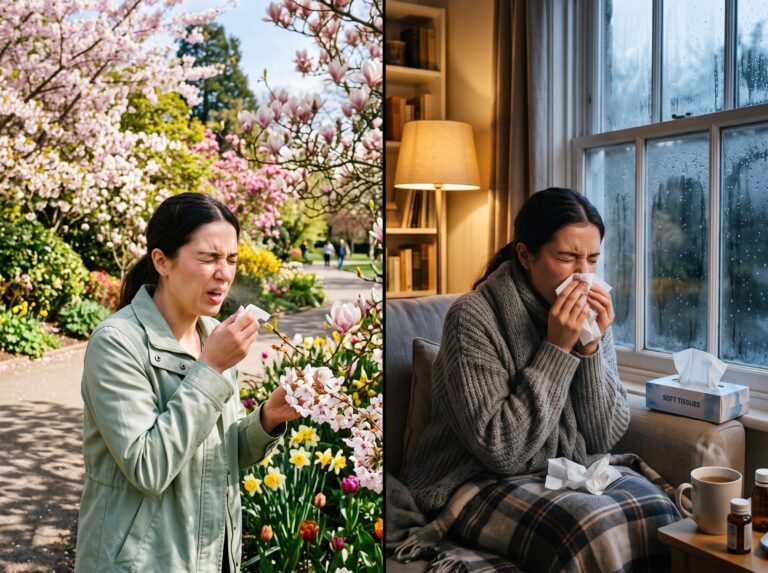
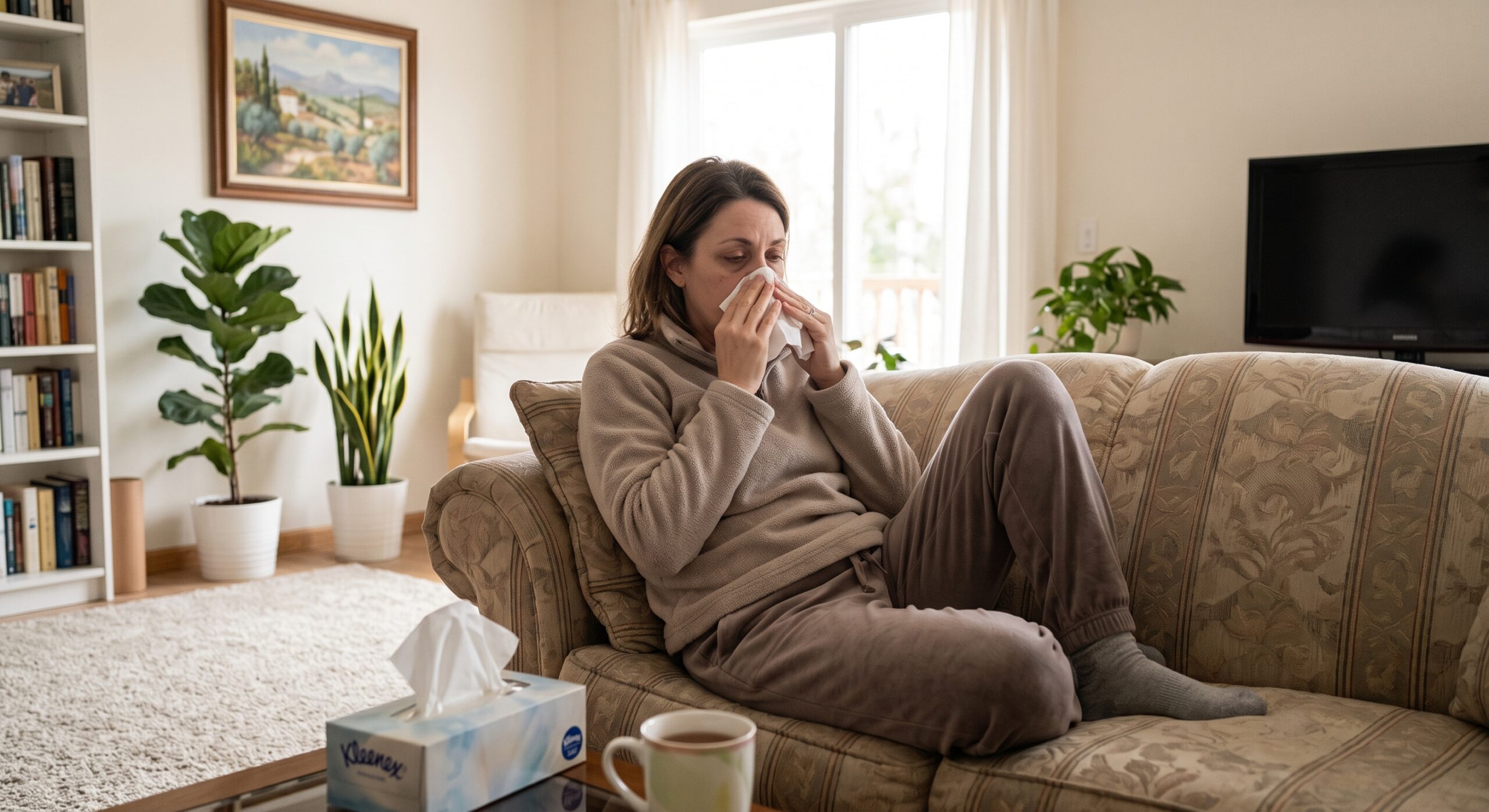
A stuffy nose that won’t go away, a cough that gets worse at home, itchy eyes every morning. If you’ve found mold in your home, it’s natural to wonder whether it’s behind these symptoms.
Quick answer: the most common symptoms of mold exposure are allergy-like: a stuffy or runny nose, sneezing, coughing, wheezing, itchy or watery eyes, a sore throat and skin irritation. People with allergies or asthma usually react the most, and their asthma can get worse. People with weakened immune systems or chronic lung disease can be at risk of more serious problems, such as lung infections. Many people exposed to mold have no symptoms at all. If you have symptoms that improve when you’re away from home, or you’re in a higher-risk group, talk to a doctor, and remove the mold and the moisture that feeds it.
Medical disclaimer: this article is general information, not medical advice. It can’t diagnose any condition. If you have symptoms or health concerns, talk to a doctor. If you have severe trouble breathing, call 911 or seek emergency care.
How mold can affect your health
Mold releases tiny spores and fragments into the air. When you breathe them in, or they touch your skin and eyes, your body can react in a few different ways:
- Allergic reactions: the immune system overreacts to mold, as it would to pollen or dust. This is the most common effect.
- Asthma flare-ups: in people with asthma, mold can trigger attacks or make symptoms harder to control.
- Irritation: mold and the musty gases it releases can irritate the eyes, nose, throat and lungs, even in people without allergies.
- Infections: in people with weakened immune systems or certain lung diseases, some molds (such as Aspergillus) can cause lung infections. This is rare in healthy people.
How strongly someone reacts depends on how much mold there is, how long they’re exposed, and how sensitive they are.
Common symptoms of mold exposure
| Area | Possible symptoms |
|---|---|
| Nose and sinuses | Stuffy or runny nose, sneezing, postnasal drip, sinus congestion |
| Throat | Sore or scratchy throat, frequent throat clearing |
| Lungs and chest | Coughing, wheezing, chest tightness, shortness of breath (especially in people with asthma) |
| Eyes | Itchy, red or watery eyes |
| Skin | Itching, rash, or dry, irritated skin |
| General | Some people report headaches or tiredness, though these are hard to link specifically to mold |
These symptoms are also common with colds, seasonal allergies and other indoor allergens like dust mites and pet dander. That’s why it’s important not to self-diagnose, and to look at the pattern: when and where symptoms appear.
Who is at higher risk?
Some people are more likely to have symptoms, or more serious effects:
- People with mold allergies
- People with asthma, whose asthma can get worse
- People with weakened immune systems, for example during chemotherapy, after an organ transplant, or when taking medicines that suppress the immune system
- People with chronic lung diseases, such as COPD or cystic fibrosis
- Babies and young children
- Older adults
If someone in your home is in one of these groups, mold deserves quick attention, and it’s a good idea to talk to their doctor.
Less common but more serious effects
- Fungal lung infections: molds like Aspergillus can cause infections in people with weakened immune systems or certain lung conditions. Healthy people rarely get these infections from home mold.
- Hypersensitivity pneumonitis: a rare lung inflammation caused by repeated exposure to large amounts of mold or other organic dust. It’s more common in certain jobs (like farming) than in typical homes. Symptoms can include cough, shortness of breath, fever and tiredness.
- Allergic fungal sinusitis and allergic bronchopulmonary aspergillosis: uncommon conditions that mostly affect people with allergies, asthma or cystic fibrosis.
These conditions need a doctor’s diagnosis and treatment.
What the evidence says about “toxic mold”
You may read online that mold, especially “black mold,” causes memory loss, chronic fatigue, or many other serious illnesses. According to the CDC, there’s no proven link between household mold and many of these claims, though research continues. Some molds can produce substances called mycotoxins, but being exposed to mold at home doesn’t automatically mean being harmed by them.
That doesn’t mean mold is harmless. It clearly can affect breathing, allergies and asthma, and it should be removed. It means it’s best to rely on your doctor rather than alarming claims online, and to be careful with costly tests or treatments that promise to “detox” mold.
Could your symptoms be related to mold?
These clues don’t prove anything, but they’re worth sharing with your doctor:
- Symptoms are worse at home and improve when you’re away for a few days
- They’re worse in a specific room, such as the basement or a bedroom
- They started or got worse after a leak, flood or move to a new home
- You can see mold, or smell a musty odor
- Several people in the home have similar symptoms
- Symptoms are worse in humid or rainy weather
When to see a doctor
Talk to a doctor if:
- Symptoms last more than a couple of weeks or keep coming back
- Asthma symptoms get worse or harder to control
- You or someone at home has a weakened immune system or chronic lung disease and has been exposed to mold
- You have a cough with fever, or symptoms that don’t improve
Tell the doctor about the mold, where it is and how long you’ve been exposed. They may suggest allergy testing, breathing tests or other checks.
Seek emergency care (call 911) for severe shortness of breath, chest pain, blue lips or face, or an asthma attack that doesn’t respond to your usual medication.
What to do at home
- Find and fix the moisture source: leaks, condensation, high humidity.
- Remove the mold safely, or have a professional do it if it’s large or someone at home is at higher risk.
- Keep humidity between 30% and 50% with a dehumidifier and good ventilation.
- Consider a HEPA air purifier in the bedroom to reduce airborne spores.
- Keep sensitive people away from the area during cleanup.
- Follow your doctor’s advice on treatment for allergy or asthma symptoms.
Frequently asked questions
Can mold in my house make me sick?
It can cause allergy and asthma symptoms in sensitive people, and more serious problems in people with weakened immune systems or lung disease. Many healthy people have no symptoms.
How long does it take to feel symptoms from mold?
People with mold allergies can react within minutes to hours of exposure. Others may notice symptoms gradually with ongoing exposure.
Do symptoms go away after mold is removed?
For many people, allergy and irritation symptoms improve once the mold and moisture are gone. If symptoms continue, see a doctor, as something else may be the cause.
Are black mold symptoms different?
No. “Black mold” can cause the same symptoms as other molds. Color doesn’t tell you how harmful a mold is.
Is there a test for mold exposure?
Doctors may use allergy tests to check for mold sensitivity. Be cautious of tests or treatments marketed online for “mold toxicity” that aren’t recommended by your doctor.
Sources
- U.S. Environmental Protection Agency (EPA): A Brief Guide to Mold, Moisture, and Your Home
- Centers for Disease Control and Prevention (CDC): Mold
Last reviewed: October 2026. This article is for general information and is not medical, legal or professional advice.