
Efflorescence vs. Mold on Concrete Walls: How to Tell the Difference
White, chalky patches on basement walls are one of the most common things homeowners worry about. Many people assume it’s mold, but often it’s something else entirely: efflorescence.
Quick answer: efflorescence is a harmless layer of salt crystals left behind when water passes through concrete, brick or stone and evaporates. It’s white, crystalline, dissolves in water and has no smell. Mold is fuzzy or slimy, doesn’t dissolve, smells musty and can change color. Efflorescence isn’t a health risk, but it’s a warning sign: water is getting through your walls, and that same moisture can lead to mold.
What efflorescence is
Concrete, brick, stone and mortar contain natural salts. When water moves through them, from the soil outside, rain or a leak, it dissolves those salts and carries them to the surface. When the water evaporates, the salts stay behind as a white, powdery or crystal-like deposit. That deposit is efflorescence.
It’s most common in basements, on foundation walls, on brick chimneys and on concrete floors, and it often appears in spring or after heavy rain.
What mold on concrete looks like
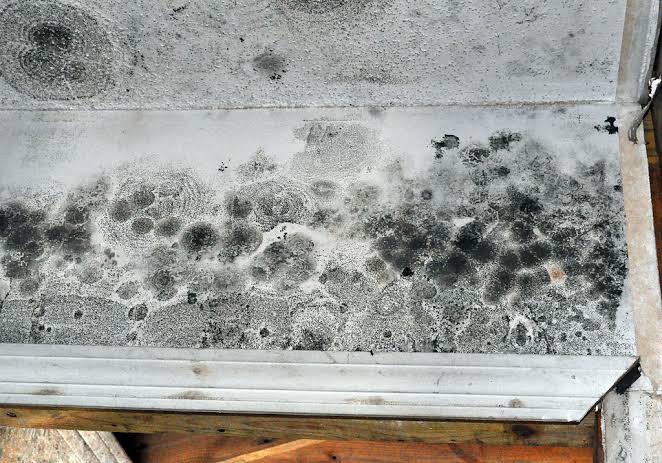
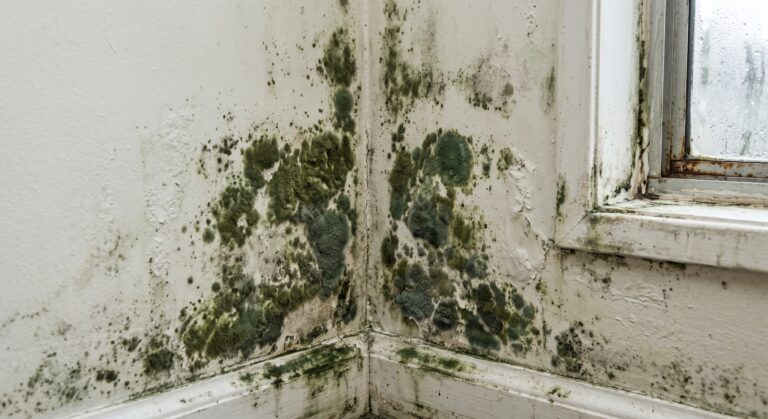
Concrete itself isn’t food for mold, but mold can still grow on it. Dust, dirt, paint, soap residue and organic debris that collect on a damp concrete surface give it something to feed on. Mold on concrete usually looks fuzzy or cottony, is white, gray, green or black, and often appears near the floor, in corners, behind stored items or where the wall meets wood framing.
[Foto: eflorescencia blanca en pared de bloques de hormigón]
Efflorescence vs. mold: key differences
| Efflorescence | Mold | |
|---|---|---|
| What it is | Mineral salt deposits | A living fungus |
| Color | White, sometimes slightly gray or yellowish | White, gray, green, black or other colors |
| Texture | Crystalline, chalky, powdery | Fuzzy, cottony, velvety or slimy |
| Surfaces | Only concrete, brick, stone, mortar | Almost anything damp, including wood, drywall and dirty concrete |
| Water | Dissolves | Doesn’t dissolve |
| Smell | None | Musty, earthy |
| Over time | Stays white; can return after rain | Spreads and may change color |
| Health risk | None | Can trigger allergies and breathing problems |
4 simple tests to tell them apart
- The water test. Spray some water on the patch. Efflorescence dissolves within a minute or two; mold stays put. This is the most reliable home test.
- The touch test. Wearing gloves, rub it between your fingers. Efflorescence crumbles into a dry, gritty powder. Mold smears or feels soft.
- The smell test. Efflorescence has no smell. A musty or earthy odor points to mold.
- The surface test. If it’s also on wood, drywall or items stored nearby, it’s mold. Efflorescence only forms on masonry.
If the results are mixed, you may have both. Damp walls that produce efflorescence can also support mold on dust and debris.
How to remove efflorescence
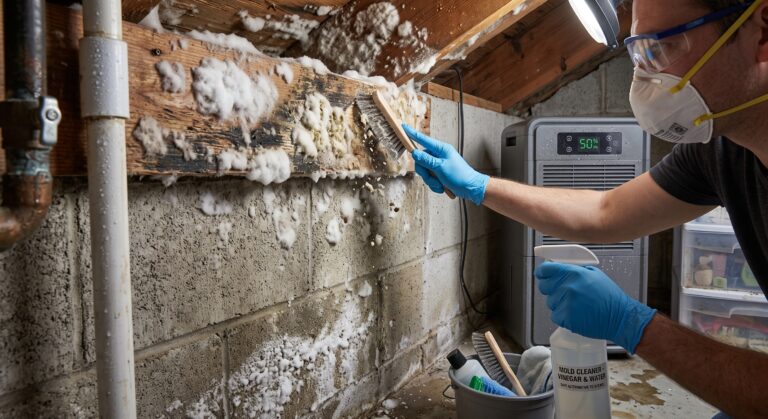
- Brush it off dry. Use a stiff nylon or wire brush and sweep up the powder. For light deposits, this is often enough.
- Wash stubborn spots. Scrub with warm water and a little dish soap, then let the wall dry completely.
- Use a mild acid for heavy buildup. A mix of equal parts white vinegar and water, or a masonry cleaner sold for efflorescence, dissolves thicker crusts. Rinse afterward and wear gloves and goggles.
- Seal the wall once it’s dry. A penetrating concrete sealer or a waterproof masonry coating reduces how much water can pass through.
Keep in mind that cleaning efflorescence is cosmetic. If water keeps moving through the wall, it will come back.
How to remove mold from concrete
Wear an N95 mask, gloves and goggles. Scrub the area with warm water and detergent using a stiff brush, rinse, and dry the wall completely with fans and a dehumidifier. Throw away moldy cardboard, fabric or wood stored against the wall. If the mold covers more than about 10 square feet or keeps returning, call a professional.
Fix the real problem: moisture
Both efflorescence and mold point to water getting into your basement. To stop them for good:
- Manage rainwater. Clean gutters and extend downspouts at least 4 to 6 feet from the foundation.
- Check the grading. The soil around your house should slope away from the walls.
- Seal cracks. Fill foundation cracks with hydraulic cement or an epoxy crack filler.
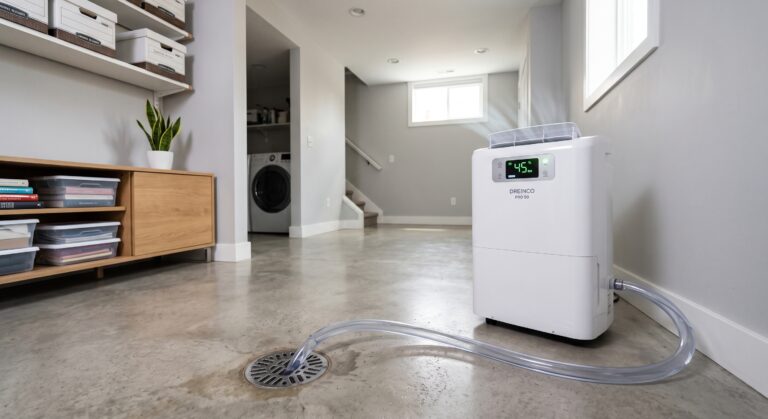
- Control indoor humidity. Run a dehumidifier to keep humidity between 30% and 50%.
- Waterproof if needed. For walls that stay damp, consider interior waterproof coatings or professional waterproofing.
When to call a professional
Call a basement waterproofing contractor if efflorescence keeps returning, you see water seeping or puddling, cracks are widening, or the wall is bowing or crumbling. Call a mold remediation company if mold covers a large area, keeps coming back, or has spread to wood framing or drywall.
Frequently asked questions
Is efflorescence dangerous?
No. It’s just mineral salts and isn’t a health risk. The only concern is what it tells you: water is moving through your walls.
Does efflorescence mean my foundation is damaged?
Not necessarily. Light efflorescence is common, even in healthy foundations. Heavy or recurring deposits, flaking concrete or growing cracks are signs to get the wall checked.
Can efflorescence turn into mold?
No, they’re completely different things. But the moisture that causes efflorescence can also help mold grow on nearby dust, wood or stored items.
Will efflorescence go away on its own?
It can fade in dry weather, but it will usually come back after rain as long as water keeps passing through the wall.
Should I paint over efflorescence?
Not with regular paint, which will peel as salts push through. Clean the wall, let it dry, and use a waterproof masonry coating designed for basement walls.