
Pink Mold in the Shower: Causes and How to Get Rid of It
You clean the shower, and a few days later a pink or orange film is back: along the grout, around the drain, on the shower curtain or inside the toilet bowl. It looks like mold, and most people call it «pink mold.»
Quick answer: in most cases, the pink slime in your shower isn’t mold at all. It’s a bacterium called Serratia marcescens, which feeds on soap residue and thrives in damp bathrooms. It’s easy to clean with dish soap, baking soda and a disinfectant, but it comes back quickly unless you keep surfaces dry. It’s usually harmless for healthy people, but it’s best kept away from the eyes, open wounds and anyone with a weakened immune system.
What pink mold really is
Serratia marcescens is a common bacterium found in soil, water and dust. In bathrooms it forms a slimy film that ranges from light pink to orange or red. Unlike mold, it doesn’t look fuzzy; it looks wet and smeary, and it wipes off easily.
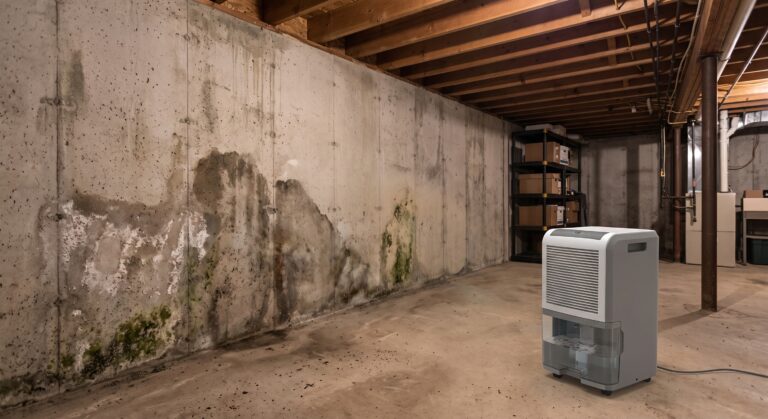
Sometimes, though, pink growth really is a mold. Species like Aureobasidium and Fusarium can look pink on caulk, painted walls or damp fabrics. A simple way to tell:
| Pink bacteria (Serratia) | Pink mold (Aureobasidium, Fusarium) | |
|---|---|---|
| Texture | Slimy, wet film | Fuzzy or spotty, may be dry |
| Where | Grout, drains, shower curtains, toilet bowls, pet bowls | Caulk, painted surfaces, window frames, fabrics |
| How it cleans | Wipes off easily | Can stain or grow into caulk |
| Returns | Within days if surfaces stay wet | Slower, but persistent |
The good news is that the cleaning and prevention steps below work for both.
Why it grows in your shower
- Moisture. Showers and bathtubs stay wet for hours after use.
- Food. Soap scum, shampoo, body wash and body oils give it plenty to feed on.
- Air. The bacteria travel through the air and settle on damp surfaces, especially if a window is often open.
- Chlorine loss. If you use a water filter or well water without chlorine, the bacteria can grow more easily.
[Foto: película rosa en la junta y el desagüe de una ducha]
Is pink mold dangerous?
For most healthy people, it’s a nuisance rather than a health risk. But Serratia marcescens can cause infections when it gets into the wrong place, so a few precautions make sense:
- Eyes. Keep contact lenses and their case away from it; the bacterium can cause eye infections. Don’t store lens cases in the shower area.
- Open wounds. Cover cuts before cleaning, and avoid touching the slime with broken skin.
- Vulnerable people. Babies, older adults, people in hospital or with weakened immune systems are more at risk of infection.
- Toothbrushes. Keep them away from the shower and sink splash zones.
If you notice red, painful eyes, a wound that isn’t healing or other signs of infection, talk to a doctor. This article is general information, not medical advice.
How to get rid of pink mold
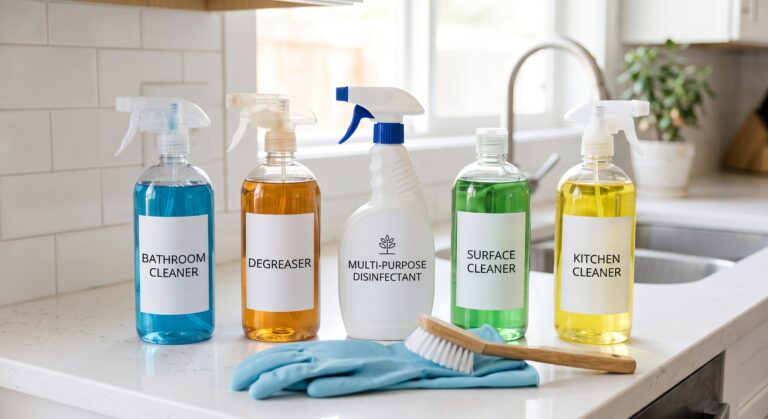
What you’ll need: rubber gloves, baking soda, dish soap, a spray bottle, a disinfectant (a bathroom disinfectant, hydrogen peroxide, or diluted bleach), a scrub brush, an old toothbrush and a clean towel.
- Protect yourself and ventilate. Put on gloves, open a window or turn on the exhaust fan.
- Make a cleaning paste. Mix about 1/4 cup of baking soda with 1 tablespoon of dish soap until it forms a paste.
- Scrub the pink areas. Apply the paste to grout, corners and drains, and scrub with the brush. Use the old toothbrush for tight spots and around the drain.
- Rinse well. Rinse with warm water to remove all residue.
- Disinfect. Spray the area with a bathroom disinfectant or 3% hydrogen peroxide, or with a mix of 1 part bleach to 10 parts water on tiles and tubs. Leave it for 10 minutes, then rinse. Never mix bleach with vinegar, ammonia or other cleaners.
- Dry everything. Wipe the surfaces completely dry with a towel.
Other places to check
- Shower curtain and liner. Wash fabric curtains in hot water. Plastic liners can go in the washing machine with a couple of towels, or can simply be replaced.
- Drains. Pour hot water and a little baking soda down the drain, then scrub the drain cover.
- Toilet. Clean the bowl with a toilet cleaner and scrub under the rim, where pink rings often start.
- Caulk. If the pink color has soaked into the caulk and won’t come out, remove the old caulk and apply new mold-resistant silicone.
How to keep pink mold from coming back
- Dry the shower after use. A quick squeegee or towel wipe removes the moisture it needs.
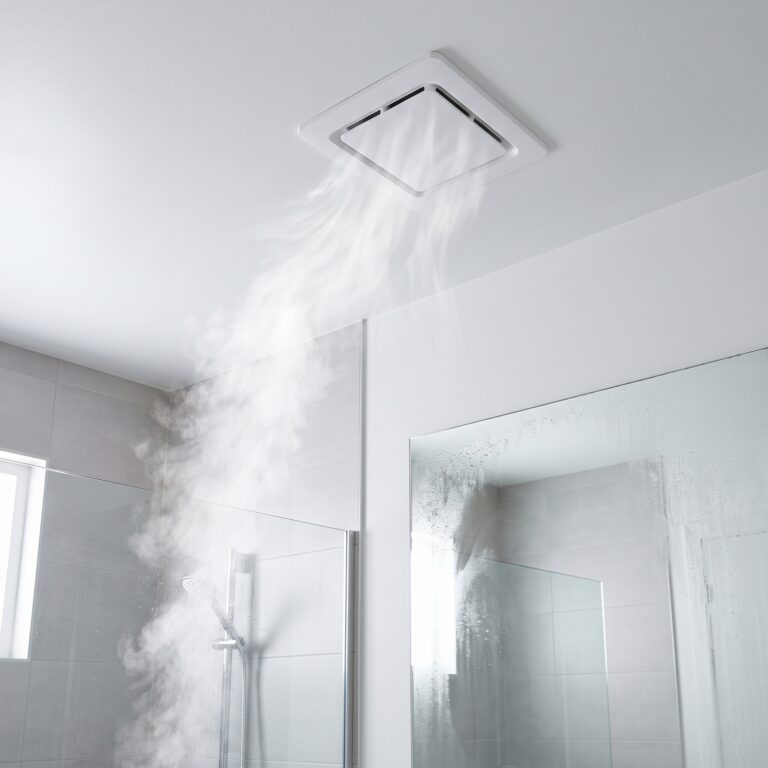
- Run the exhaust fan during showers and for 20 to 30 minutes afterward.
- Clean weekly. A quick spray and wipe once a week stops it from building up.
- Reduce soap scum. Rinse walls after showering, and consider liquid body wash instead of bar soap, which leaves more residue.
- Don’t leave bottles on the floor or ledges. The bottom of shampoo bottles is a favorite spot. Use a hanging caddy so things can dry.
- Wash or replace the curtain liner every month or two.
Frequently asked questions
Why does pink mold keep coming back?
Because the bacteria are everywhere in the air and will return as soon as surfaces stay wet with soap residue. Drying the shower and cleaning weekly are the only lasting fixes.
Is pink mold the same as black mold?
No. Pink «mold» is usually a bacterium, while black mold is a fungus. They need different conditions and look different, although both love damp bathrooms.
Can pink mold make you sick?
For healthy people, it rarely causes problems. It can cause infections in the eyes, in open wounds, or in people with weakened immune systems, so clean it regularly and keep contact lenses away from it.
Does vinegar kill pink mold?
Vinegar can help loosen it on tiles, but a disinfectant such as hydrogen peroxide or a bathroom cleaner is more effective. Never mix vinegar with bleach.
Why is there pink mold in my toilet?
The same bacterium grows at the waterline of toilets, especially ones that aren’t used often. Clean the bowl weekly and scrub under the rim.