Best Mold Removal Products: What to Use and When
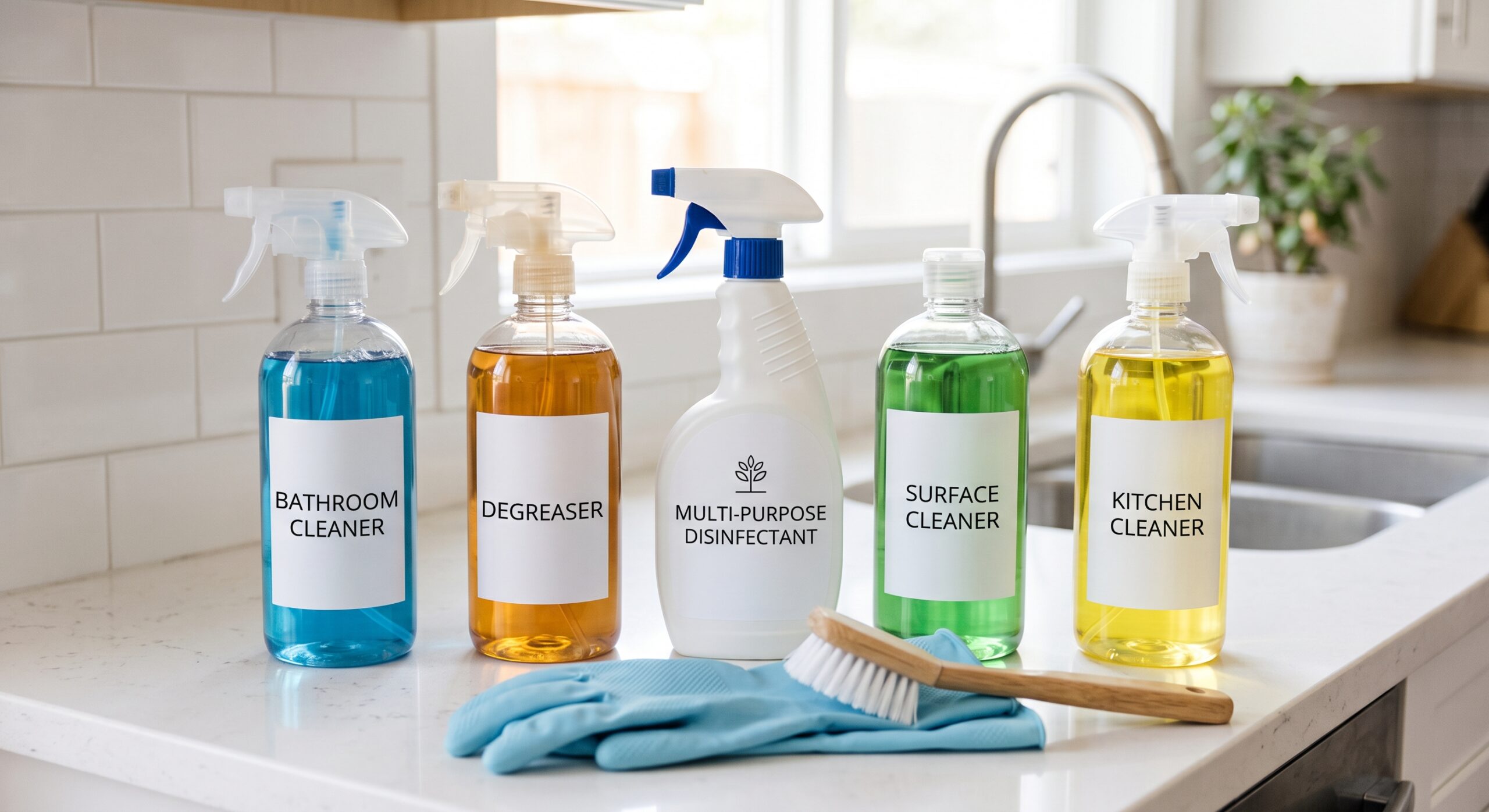
Walk down the cleaning aisle and you’ll find dozens of products promising to «kill mold» or «remove mold stains.» Some are bleach-based, some are plant-based, some just remove the stain and leave the mold behind. Choosing the wrong one can waste money or damage the surface you’re cleaning.
Quick answer: there’s no single best mold remover for everything. For bathroom tiles and grout, a bleach-based or hydrogen peroxide mold and mildew cleaner removes mold and stains fast. For wood, drywall surfaces and areas where you want to avoid fumes, a non-bleach mold cleaner is a better choice. For fabrics, use an oxygen bleach laundry product. Always check the label for EPA registration if you want a product that disinfects, and remember that no product fixes mold without also fixing the moisture.
The main types of mold removal products
| Type | How it works | Best for | Watch out for |
|---|---|---|---|
| Bleach-based mold and mildew sprays | Chlorine bleach kills surface mold and whitens stains | Tile, grout, tubs, shower curtains (plastic) | Strong fumes, damages fabrics and colors, doesn’t penetrate porous materials |
| Hydrogen peroxide cleaners | Oxidizes mold and lifts stains | Grout, tile, sinks, countertops | Can lighten colors; slower on heavy stains |
| Non-bleach mold control sprays | Kill or encapsulate mold without chlorine; many leave a protective film | Wood, drywall surfaces, basements, attics, HVAC exteriors | Don’t whiten stains as well; read label for surfaces |
| Botanical (plant-based) disinfectants | Use ingredients like thymol (from thyme oil) | Homes with kids, pets or sensitive people | Usually slower; check EPA registration |
| Mold stain removers | Designed mainly to remove dark stains | Stubborn stains on grout, caulk, concrete | May remove color without killing all the mold |
| Oxygen bleach (sodium percarbonate) | Releases oxygen to lift stains and odors | Clothes, fabrics, outdoor surfaces | Needs time to work; not for all fabrics |
| Mold-resistant primers and paints | Contain additives that resist new mold growth | Clean, dry walls and ceilings after removal | Not a mold remover; never paint over active mold |
What «EPA-registered» means: products that claim to kill or disinfect germs, including mold, must be registered with the EPA and show a registration number on the label. It doesn’t mean the product is safer, but it does mean its claims were reviewed.
Best products by job
| Job | Best type of product | Examples to look for* |
|---|---|---|
| Shower grout and tile | Bleach-based or hydrogen peroxide mold and mildew spray | Tilex Mold & Mildew Remover, RMR-86 |
| Wood, drywall surface, basement, attic | Non-bleach mold control spray | Concrobium Mold Control |
| Disinfecting after water damage | EPA-registered non-bleach disinfectant | RMR-141, Benefect Botanical Decon 30 |
| Homes with kids, pets or sensitivities | Botanical, low-fume product | Benefect Botanical Decon 30 |
| Caulk and grout stains | Mold stain remover or gel | Stain-remover gels for caulk |
| Clothes and fabrics | Oxygen bleach laundry product | OxiClean or similar |
| Protecting walls after cleaning | Mold-resistant primer and paint | Mold-resistant bathroom paints and primers |
*Product names are examples of each type. Check current formulas, labels and prices before buying or recommending them.
Household alternatives that work
You don’t always need a special product. These common items work well for many small jobs:
- Detergent and water: the EPA’s basic recommendation for hard surfaces.
- White vinegar: good on tile, grout, wood and fabric; leave it for about an hour.
- 3% hydrogen peroxide: fume-free and great on grout; leave it for about 10 minutes.
- Baking soda: a gentle scrubbing paste that also absorbs odors.
How to choose the right product
- Check the surface. Hard surfaces can handle almost anything; wood, painted walls and fabrics need gentler, non-bleach options.
- Decide if you need to remove stains. Bleach and stain removers whiten; most non-bleach cleaners don’t.
- Think about fumes. In small or poorly ventilated rooms, or with kids and pets, choose a low-fume or botanical product.
- Look for an EPA registration number if you want a product that disinfects.
- Read the label for dwell time. Many products need to sit for several minutes to work.
- Be realistic. No spray fixes mold inside drywall, insulation or carpet padding; those materials need to be replaced.
How to use mold removal products safely
- Wear gloves, goggles and an N95 mask.
- Ventilate the area and keep children and pets away.
- Follow the label exactly, including dwell time and rinsing instructions.
- Test on a hidden spot first.
- Never mix products, especially bleach with vinegar, ammonia or other cleaners.
- Dry the surface completely afterward and fix the moisture source.
Frequently asked questions
What’s the strongest mold killer?
On hard surfaces, bleach-based products act fastest. But «strongest» isn’t always best: on wood, drywall and fabric, a non-bleach cleaner usually works better.
Do mold removal sprays really work?
Yes, on the surface. They don’t fix mold inside porous materials or stop it from coming back if moisture remains.
What’s the best mold remover for a shower?
A bleach-based or hydrogen peroxide mold and mildew spray works well on tile and grout. Replace caulk that stays stained inside.
Are natural mold cleaners effective?
Many plant-based products and household options like vinegar and hydrogen peroxide work well on small areas. Check for EPA registration if you need disinfection.
Can I use a mold cleaner and then paint?
Yes, once the surface is clean and completely dry. A mold-resistant primer adds extra protection.