Best Dehumidifiers for Basements: How to Choose the Right One
A good dehumidifier is the single most effective tool against basement mold. Basements stay damp because of moisture from the ground and humid summer air, and a dehumidifier is what keeps that moisture from settling on walls, joists and everything you store down there.
Quick answer: for most basements, choose a dehumidifier rated around 35 to 50 pints per day (under the current DOE standard), with a built-in pump or continuous drain hose, a built-in humidistat, auto-restart after power outages, and the ability to run in cool temperatures. Look for the ENERGY STAR label to keep running costs down. For very large, wet or cool basements and crawl spaces, a heavy-duty unit designed for basements is worth the higher price.
Features that matter for a basement
1. Capacity (pints per day)
Capacity tells you how much water the unit can remove in 24 hours. Since 2019, the U.S. Department of Energy (DOE) tests dehumidifiers at cooler, more realistic conditions, so newer models show lower pint numbers than older ones for similar performance. A «50-pint» model under the new standard is roughly comparable to an older «70-pint» model. Compare models using the same standard.
As a rough guide for basements: around 35 pints for small or slightly damp spaces, and around 50 pints for average to large or very damp ones. Our sizing guide goes into detail.
2. Drainage
- Bucket only: you’ll need to empty it once or twice a day in a damp basement. Not ideal.
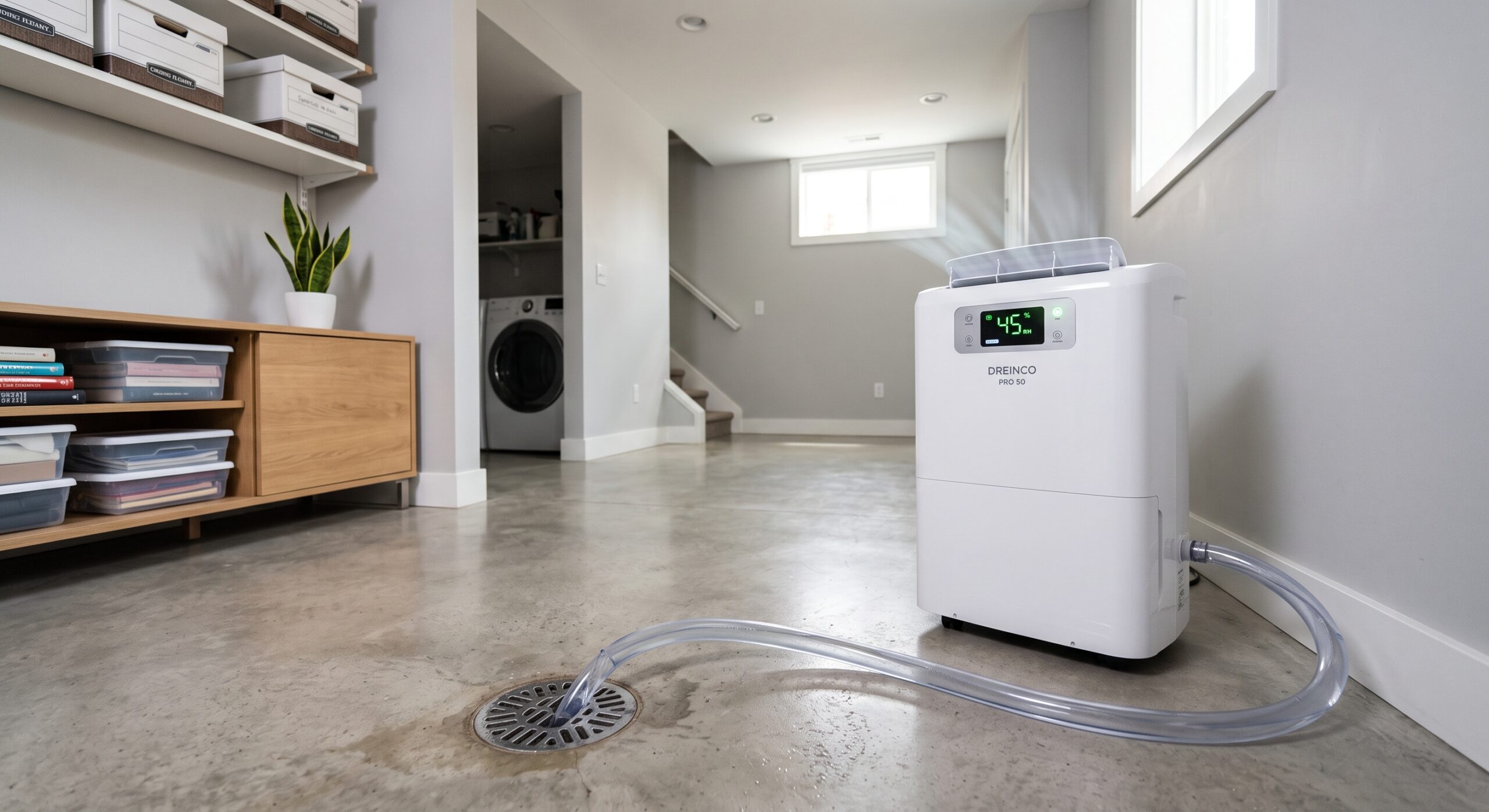
- Gravity drain hose: runs continuously to a floor drain that’s lower than the unit.
- Built-in pump: pushes water up and out, to a sink, a window or a drain above the floor. The best choice if you don’t have a floor drain.
3. Works in cool temperatures
Basements are often below 65°F. Standard units can ice up on the coils. Look for models rated to run at lower temperatures, with automatic defrost.
4. Built-in humidistat
Lets you set a target, such as 45% to 50%, so the unit turns on and off by itself.
5. Auto-restart
After a power outage, it turns itself back on with the same settings. Essential for basements you don’t visit often.
6. ENERGY STAR certification
Dehumidifiers often run for many hours a day. Certified models use less electricity.
7. Washable filter, noise and portability
A washable air filter, wheels and handles, and a reasonable noise level make life easier, especially in finished basements.
Types of dehumidifiers
| Type | Best for | Pros | Cons |
|---|---|---|---|
| Portable compressor (standard) | Most basements | Affordable, easy to find, effective in warm, humid conditions | Less efficient in cold basements; some are noisy |
| Portable with built-in pump | Basements without a floor drain | Continuous drainage anywhere | Slightly more expensive |
| Heavy-duty basement / crawl space units | Large, very damp or cool spaces | Very high capacity, built for low temperatures and continuous use | Expensive; usually installed |
| Whole-house (ducted) | Very humid climates | Dries the whole home through the HVAC system | Professional installation; highest cost |
| Desiccant | Very cold spaces | Works well at low temperatures; quiet | Uses more energy; lower capacity |
| Mini / thermo-electric | Closets, small bathrooms | Cheap, quiet, small | Far too weak for a basement |
Best picks by situation
| Situation | What to choose | Examples to look for* |
|---|---|---|
| Average basement with a floor drain | 35–50 pint ENERGY STAR portable unit with a drain hose | Portable models from Frigidaire, Midea, hOmeLabs, GE |
| Basement without a floor drain | 50-pint unit with a built-in pump | Pump models from the same brands |
| Large, very damp or cool basement | Heavy-duty basement dehumidifier rated for low temperatures | Santa Fe, AprilAire basement models |
| Crawl space | Crawl-space-rated unit, often ducted | Santa Fe or AprilAire crawl space models |
| Finished basement used as living space | Quieter ENERGY STAR model with a humidistat | Low-noise portable models |
| Whole home in a humid climate | Whole-house dehumidifier connected to the HVAC | Installed by an HVAC contractor |
*Brands and models are examples of each type. Check current models, prices, warranties and reviews before buying or linking.
How to set up a basement dehumidifier
- Place it centrally, with at least 6 to 12 inches of space around it for air flow, away from walls and stored items.
- Close basement windows and doors while it runs; otherwise it tries to dry the outdoors.
- Set the humidistat to 45% to 50%. Lower settings waste energy without much benefit.
- Set up continuous drainage with a hose to a floor drain or sump pit, or use the built-in pump.
- Turn on auto-restart if it has a separate setting.
- Check with a separate hygrometer that the basement really stays below 50%.
- Clean the filter every few weeks during heavy use.
- Keep it running through the humid months, usually late spring to early fall.
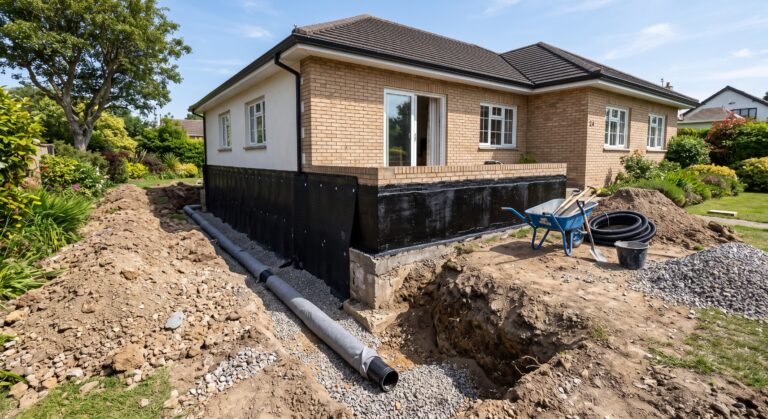
Tip: if the dehumidifier runs nonstop and humidity still stays high, the unit may be too small, or water may be getting in from outside. Check gutters, grading and foundation cracks.
Frequently asked questions
What size dehumidifier do I need for my basement?
For most basements, around 35 to 50 pints under the current DOE rating. Larger or wetter basements need the higher end, or a heavy-duty unit.
Should I run my basement dehumidifier all the time?
Let the humidistat control it. Set it to 45% to 50% and it will turn on and off as needed. In humid months it may run most of the day.
Is it expensive to run a dehumidifier?
It depends on your electricity rates and how long it runs. An ENERGY STAR model uses noticeably less energy than older, non-certified units.
Can a dehumidifier get rid of mold?
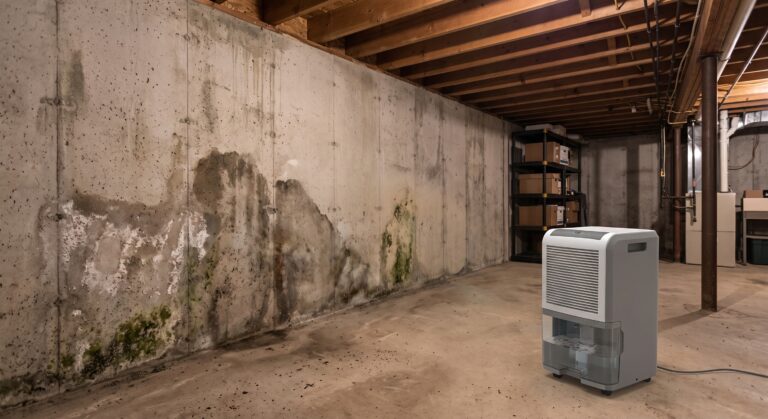
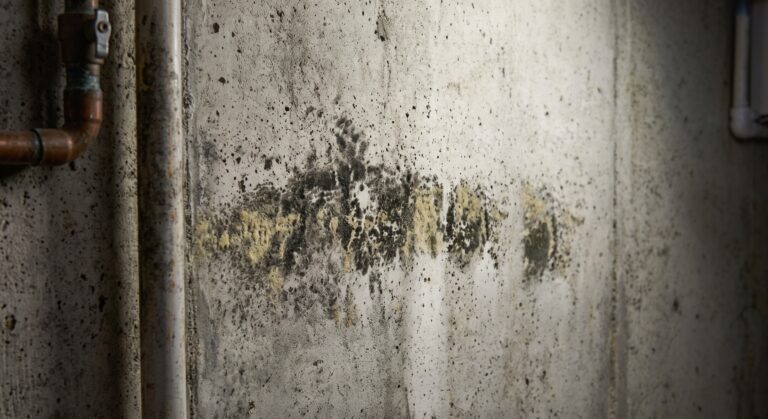
No. It stops new mold by keeping the air dry, but existing mold must be cleaned or removed.
Where should I put the dehumidifier in my basement?
In a central spot with good air flow around it, near a drain if you’re using a hose.