
Signs of Hidden Mold Behind Walls
Mold doesn’t always grow where you can see it. Some of the worst cases hide inside walls, where leaking pipes, condensation or old water damage keep the drywall and framing damp for months. By the time mold shows on the surface, it may have spread a lot.
Quick answer: the most common signs of hidden mold behind walls are a persistent musty smell, stains or discoloration, bubbling or peeling paint or wallpaper, soft or warped drywall, and allergy symptoms that improve when you leave the house. If you notice two or more of these in the same area, it’s worth investigating with a moisture meter or a professional inspection.
10 signs of hidden mold behind walls
- A musty smell that won’t go away. This is the most common and reliable sign. It’s usually strongest near the affected wall, especially in the morning or after rain.
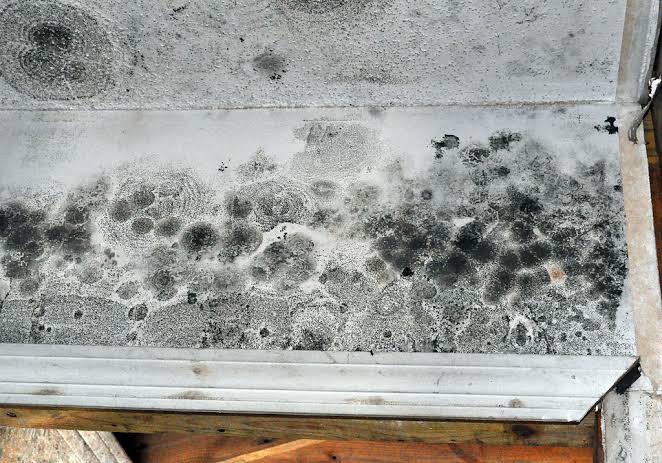
- Stains or discoloration. Yellow, brown or gray patches, or rings on the wall, often mean water is getting in from behind.
- Bubbling, cracking or peeling paint. Moisture behind the wall pushes the paint away from the surface.
- Wallpaper that’s loose or stained. Wallpaper traps moisture, and mold often grows underneath it.
- Soft, swollen or warped drywall. If the wall feels spongy or bulges when you press it, the drywall has absorbed water.
- Dark spots near baseboards or outlets. Mold often appears first at the bottom of walls or around electrical outlets, where air from inside the wall escapes.
- A leak on the other side of the wall. Bathrooms, kitchens and laundry rooms share walls with other rooms. A leak there can soak the wall you’re looking at.
- Past water damage. A flood, burst pipe or roof leak that wasn’t dried properly can leave moisture inside walls for months.
- Condensation on an exterior wall. Cold walls that are often damp to the touch, especially behind furniture, can develop mold inside as well as outside.
- Allergy symptoms at home. A stuffy nose, coughing, sneezing, itchy eyes or headaches that get better when you leave the house can point to hidden mold.
One sign alone isn’t proof. Several signs in the same area are a strong reason to look further.
Where hidden mold usually grows
- Walls behind or next to showers, bathtubs and toilets
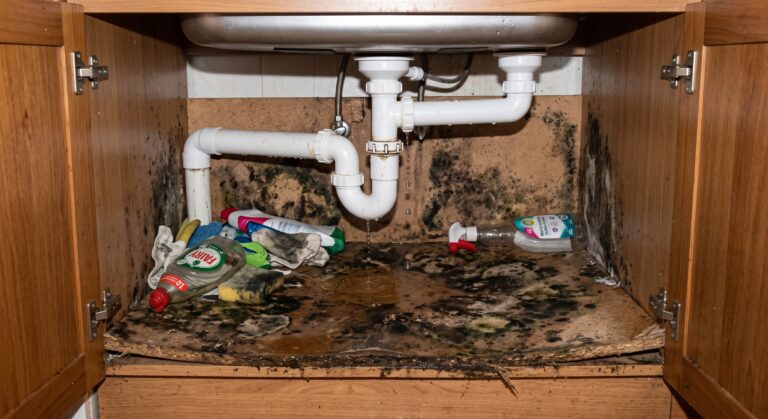
- Walls behind kitchen sinks, dishwashers and refrigerators with water lines
- Walls next to washing machines and water heaters
- Exterior walls, especially on the north side and behind furniture
- Walls below windows, where leaks and condensation run down
- Basement walls and walls near the foundation
- Walls under or near roof leaks or the attic
How to check for mold behind walls
You don’t need to tear down the wall to investigate. Start with the least invasive steps:
- Use your nose. Walk the room and find where the musty smell is strongest.
- Look closely. Check for stains, bubbling paint and dark spots near baseboards, outlets and windows. Use a flashlight at an angle to spot bulges.
- Press gently. Soft or crumbly drywall is a sign of water damage.
- Use a moisture meter. These cheap tools read moisture levels in drywall. Readings much higher than on other walls suggest water inside.
- Check outlet covers. With the power turned off at the breaker, remove an outlet cover and look inside with a flashlight for mold or dampness.
- Look at the other side. Check the bathroom, kitchen or laundry room that shares the wall for leaks.
- Call an inspector. A professional mold inspector can use thermal cameras, moisture meters and air or wall-cavity samples to confirm hidden mold without opening the wall.
[Foto: medidor de humedad sobre una pared de yeso]
What to do if you find mold behind a wall
- Don’t open the wall without protection. Cutting into moldy drywall releases a lot of spores. Wear an N95 mask, gloves and goggles, and close the room off.
- Stop the water first. Fix the leak, condensation or drainage problem, or the mold will return.
- Remove damaged materials. Moldy drywall and insulation can’t be cleaned effectively and usually need to be cut out and replaced.
- Clean and dry the framing. Wooden studs can usually be cleaned, dried and treated if they’re still solid.
- Dry completely before closing the wall. Use fans and a dehumidifier for several days before installing new drywall.
When to call a professional
Hidden mold is one of the situations where professional help is usually worth it. Call a mold inspector or remediation company if:
- You smell mold but can’t find where it’s coming from.
- The affected area is larger than about 10 square feet.
- There’s been a flood, sewage backup or long-running leak.
- The wall contains electrical wiring or plumbing you’re not comfortable working around.
- Anyone at home has asthma, allergies or a weakened immune system.
Professionals can contain the area so spores don’t spread to the rest of the house, and can confirm afterward that the mold is gone.
Frequently asked questions
Can mold grow inside walls without being visible?
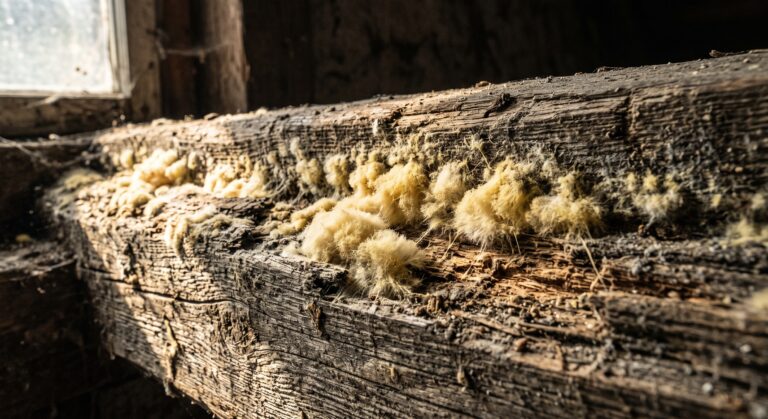
Yes. Mold often grows on the back of drywall, on insulation and on wooden studs, where you can’t see it from the room. A musty smell is often the only early sign.
How long does it take for mold to grow inside a wall?
Mold can start growing within 24 to 48 hours after drywall or insulation gets wet. That’s why leaks inside walls should be dried quickly.
Can I test for mold behind walls myself?
A moisture meter is a good first step to find damp areas. DIY mold test kits are less reliable for hidden mold. A professional inspection is the most accurate option.
Is mold inside walls dangerous?
It can affect indoor air quality, especially for people with allergies or asthma. It can also damage drywall, insulation and wood over time, so it’s best to deal with it promptly.
Does homeowners insurance cover mold behind walls?
Sometimes. It’s often covered if the mold was caused by a sudden, covered event like a burst pipe, but not if it came from a slow leak or poor maintenance. Check your policy.