
Yellow Mold on Wood: Causes and Treatment
Yellow, fuzzy or powdery patches on a wooden beam, a piece of furniture or the underside of a deck can be surprising. Yellow isn’t the color most people expect from mold, but it’s more common than you might think, especially on wood.
Quick answer: yellow mold on wood is usually a surface mold such as Aspergillus or Penicillium, caused by high humidity or a leak. It can usually be cleaned. Sometimes, though, yellow growth is a sign of wood-rotting fungus, such as dry rot, which can seriously weaken the wood. If the wood is soft, crumbly or cracked into cubes, call a professional.
What yellow mold on wood is
«Yellow mold» can be a few different things. The table below helps you narrow it down:
| Type | How it looks | Where you’ll see it | How serious |
|---|---|---|---|
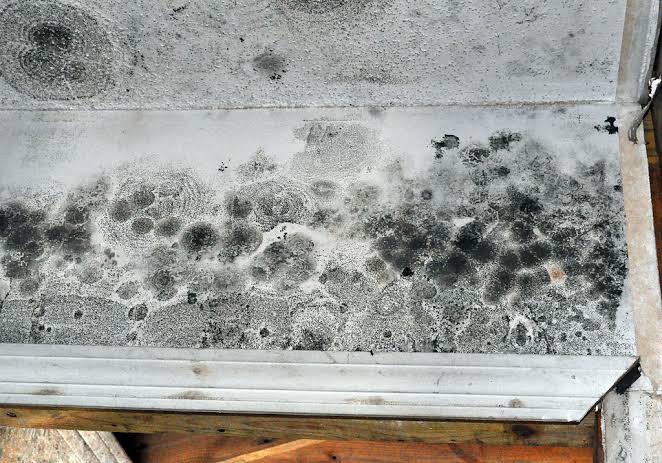
| Surface mold (Aspergillus, Penicillium) | Yellow, yellow-green or cream; powdery or fuzzy spots | Furniture, beams, cabinets, stored wood | Usually a cleaning job |
| Dry rot fungus (Serpula lacrymans) | Cotton-like white mats with yellow or lilac edges; later rusty-red dust | Timber in basements, crawl spaces, behind plaster | Serious; weakens structural wood |
| Slime mold | Bright yellow, spongy blobs | Mulch, firewood, outdoor wood | Harmless; usually outdoors |
What causes it
Mold on wood always comes back to moisture. The most common causes are:
- High humidity in basements, crawl spaces, attics and closets
- Leaks from pipes, roofs or windows dripping onto wood
- Poor ventilation around furniture pushed against exterior walls
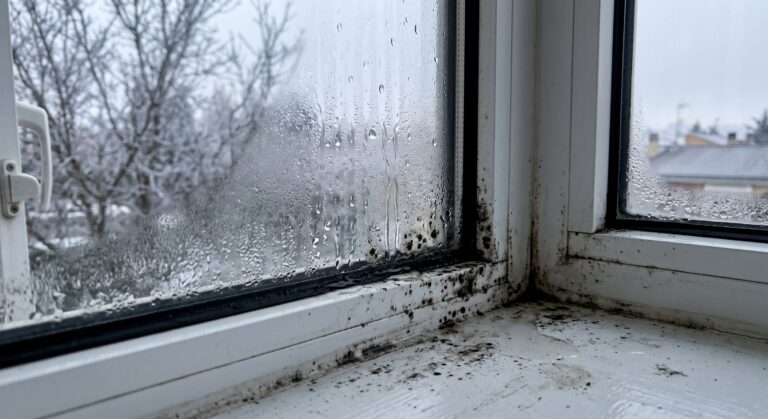
- Condensation on cold wooden surfaces
- Wood stored in damp places, such as garages or sheds
- Past water damage that wasn’t dried properly
Wood is a perfect food for mold because it’s made of cellulose, and it holds moisture for a long time once it gets wet.
[Foto: manchas amarillas en un mueble de madera]
Is yellow mold dangerous?
There are two kinds of risk to think about: to your health and to your home.
Health. Yellow mold isn’t more dangerous than other colors. Like any indoor mold, it can cause a stuffy nose, sneezing, coughing and itchy eyes, especially for people with allergies or asthma. Some Aspergillus species can cause lung infections in people with weakened immune systems. If anyone at home is in a higher-risk group or has symptoms that improve away from home, talk to a doctor. This article is general information, not medical advice.
Your home. Surface mold mostly stains wood. Wood-rotting fungi like dry rot are a different story: they break down the wood itself, and can spread through timber, plaster and even masonry. Signs of rot include:
- Wood that feels soft or spongy, or crumbles when you press it
- Cracks that split the wood into small cubes
- Wood that looks darker, shrunken or warped
- A damp, mushroom-like smell
- Fine rusty-red dust near the affected area
If you see any of these, the wood may be structurally weakened and needs professional attention.
How to remove yellow mold from wood
This method works for surface mold on solid wood. If the wood is soft or crumbling, skip to «When to call a professional.»
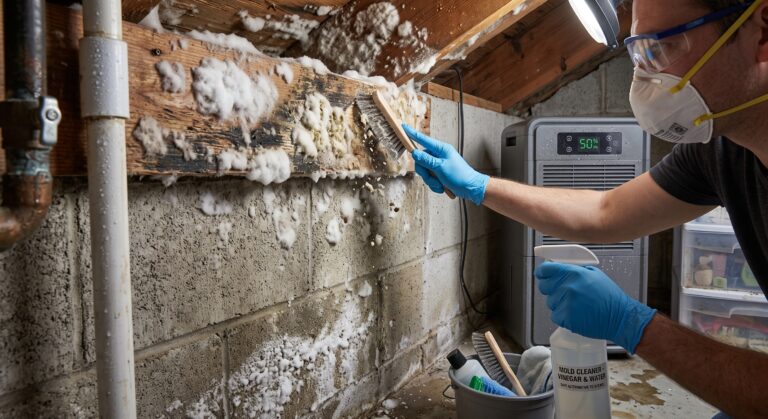
What you’ll need: an N95 mask, gloves, goggles, a HEPA vacuum (if possible), a soft brush, dish soap, a spray bottle, white vinegar or a wood-safe mold cleaner, fine sandpaper (120–220 grit), clean cloths and a fan or dehumidifier.
- Protect yourself and ventilate. Wear the mask, gloves and goggles, and open windows or take furniture outside if you can.
- Vacuum loose spores. Go over the area with a HEPA vacuum to remove loose mold without spreading it.
- Clean the surface. Wipe with warm water and a little dish soap. For stubborn spots, spray white vinegar or a wood-safe mold cleaner, leave it for an hour, then wipe.
- Sand if needed. On unfinished wood, lightly sand any remaining stains, then vacuum the dust.
- Dry thoroughly. Use a fan or dehumidifier for at least 24 to 48 hours. Wood must be fully dry before the next step.
- Seal or refinish. Once dry, apply a mold-resistant primer, sealer or wood finish to protect the surface.
On finished furniture, test any cleaner on a hidden spot first to make sure it doesn’t damage the finish. Avoid bleach on wood: it doesn’t reach mold in the grain and can discolor the surface.
How to prevent yellow mold on wood
- Keep indoor humidity between 30% and 50%, especially in basements and closets.
- Leave space between furniture and exterior walls.
- Fix leaks quickly and dry wet wood within 24 to 48 hours.
- Store wood and wooden furniture off the floor in dry areas.
- Seal or paint exposed wood in damp areas.
- Ventilate attics and crawl spaces properly.
When to call a professional
Call a professional if the wood is soft, crumbling or cracked into cubes, if the mold covers more than about 10 square feet, if it’s on structural wood like joists, beams or subfloors, or if it keeps coming back. Suspected dry rot should always be checked by a specialist, as the affected timber often needs to be cut out and replaced.
Frequently asked questions
Is yellow mold on wood the same as dry rot?
Not always. Most yellow mold on wood is surface mold that can be cleaned. Dry rot is a wood-destroying fungus that often has yellow edges and makes wood soft and cracked. If the wood feels weak, have it checked.
Can I save furniture with yellow mold?
Usually yes, if the wood is solid and the mold is on the surface. Clean it, dry it fully and refinish it. Upholstered or particleboard furniture with deep mold is often better replaced.
Does vinegar kill mold on wood?
White vinegar can help clean surface mold on wood. Leave it for about an hour before wiping. It won’t fix mold that has grown deep into soft or rotting wood.
Why does yellow mold keep coming back on my wood?
Because the wood is still getting damp. Check for leaks, condensation or high humidity, and keep humidity below 50%.
Is yellow slime mold on mulch dangerous?
No. Bright yellow slime mold on garden mulch or firewood is harmless to people and pets and usually disappears on its own when the weather dries.