Mold vs. Mildew: Key Differences and Why They Matter
You see a gray film on the shower tiles or dark spots on the bathroom ceiling. Some people call it mold, others call it mildew. Are they the same thing? And does the difference actually matter?
Quick answer: mildew is a type of mold that grows flat on the surface, usually looks white or gray and powdery, and is easy to wipe away. «Mold» usually refers to fuzzy or slimy growth in darker colors that can grow into materials like drywall and wood. Mildew is generally easier to clean and less damaging, but both come from the same cause, too much moisture, and both should be removed.
What mildew is, and what mold is
Both are fungi, and they need the same things to grow: moisture, something to feed on and a bit of time. The words are used loosely, but in everyday home use they mean slightly different things.
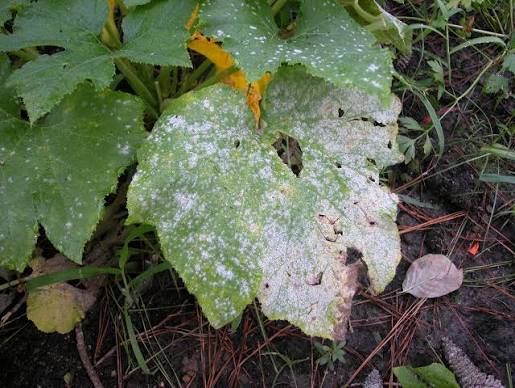
Mildew is a common name for mold in its early, surface-level stage. It grows flat on top of damp surfaces such as shower tiles, grout, window sills, fabrics and paper. It doesn’t dig into the material, so you can usually wipe it off. (In gardening, «mildew» also refers to plant diseases like powdery mildew, but that’s a different topic.)
Mold is the broader term, and at home it usually means growth that has gone deeper. It’s thicker, fuzzier or slimier, comes in darker colors, and can grow into porous materials like drywall, wood, carpet and insulation, where it’s much harder to remove.
A simple way to think about it: mildew is a surface problem; mold can become a material problem.
Mold vs. mildew: key differences
| Mildew | Mold | |
|---|---|---|
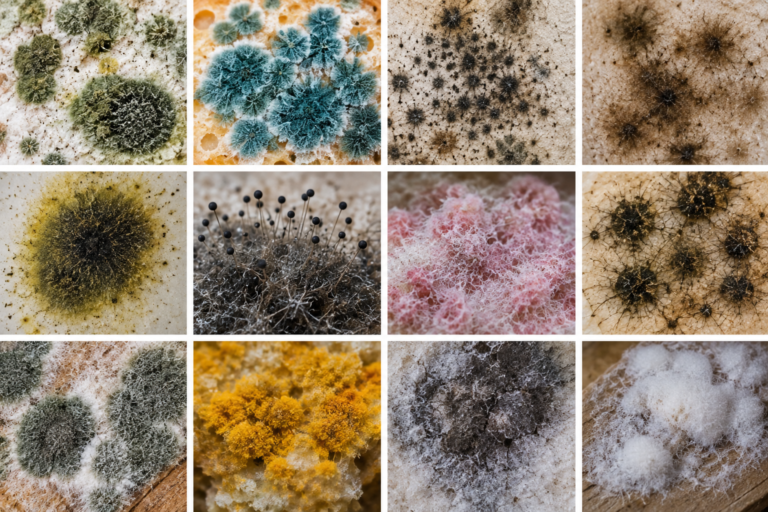
| Color | White, gray or light yellow; may darken to brown or black over time | Black, green, blue, white, gray or pink |
| Texture | Flat and powdery or downy | Fuzzy, velvety, cottony or slimy |
| How deep it grows | Stays on the surface | Can grow into porous materials |
| Where it grows | Shower tiles, grout, window sills, damp fabrics, paper | Drywall, wood, ceilings, carpet, insulation, behind walls |
| Smell | Mild, musty | Stronger, earthy or musty |
| Cleaning | Wipes off with a regular cleaner | Harder to remove; porous materials may need replacing |
| Damage to your home | Mostly cosmetic | Can stain, weaken or rot materials |
How to tell which one you have
- Look at the texture. Flat and powdery points to mildew; raised, fuzzy or slimy points to mold.
- Check the surface. On smooth tiles, glass or grout, it’s often mildew. On drywall, wood or a soft, stained ceiling, it’s more likely mold.
- Try wiping it. Use a cloth with a bathroom cleaner. Mildew comes off easily. If a stain remains or it comes back within days, it’s probably mold that has grown into the material.
- Notice the smell. A strong musty smell, especially in a closed room, suggests more mold than you can see.
[Foto comparativa: moho en polvo gris sobre azulejos vs. moho negro en techo de baño]
Which one is worse for your health?
Both can cause similar symptoms, especially in people with allergies or asthma: a stuffy nose, sneezing, coughing, itchy eyes or a sore throat.
Mold is usually the bigger concern, for two reasons. It tends to cover larger areas and grow in hidden places, so people are exposed for longer without knowing. And because it gets into walls, ceilings and floors, it’s harder to remove completely.
Mildew is generally a minor problem if you clean it quickly. Left alone in a damp room, though, it can develop into a bigger mold problem.
If you or someone at home has symptoms that improve when you leave the house, or has asthma or a weakened immune system, talk to a doctor. This article is general information, not medical advice.
How to clean mildew
- Open a window or turn on the exhaust fan, and wear gloves.
- Spray the area with a bathroom cleaner, or a mix of water and a little dish soap. White vinegar also works well on tiles and grout.
- Let it sit for 5 to 10 minutes, then scrub with a brush or sponge.
- Rinse and dry the surface completely with a towel.
- For fabrics, wash them on the hottest setting the label allows and dry them in the sun or dryer.
How to clean mold
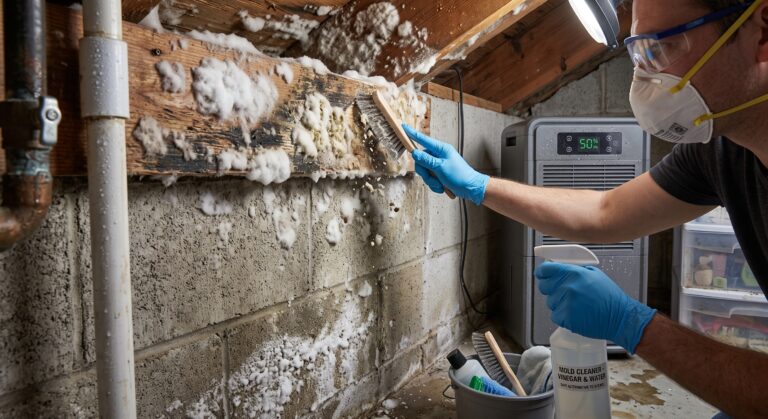
If the mold is on a hard surface and covers less than about 10 square feet, you can usually clean it yourself: wear an N95 mask, gloves and goggles, scrub with detergent and water, and dry the area fully. Porous materials that are moldy all the way through, such as drywall, ceiling tiles, carpet and insulation, usually need to be cut out and replaced.
For larger areas, mold that keeps returning, or mold inside walls or ceilings, call a professional.
How to prevent both
Because mold and mildew share the same cause, the same habits prevent both:
- Keep indoor humidity between 30% and 50%.
- Run the bathroom fan during showers and for 20 to 30 minutes afterward.
- Squeegee or wipe shower walls after use.
- Wash bath mats and shower curtains regularly.
- Fix leaks quickly and dry anything that gets wet within 24 to 48 hours.
- Don’t leave damp towels or clothes in piles or in the washing machine.
Frequently asked questions
Is mildew the same as mold?
Mildew is a type of mold, usually in an early stage that grows flat on the surface. All mildew is mold, but not all mold is mildew.
Can mildew turn into mold?
Yes, in practice. If the area stays damp, surface growth can spread, thicken and move into grout, caulk or drywall, becoming a harder-to-clean mold problem.
Does vinegar kill mildew?
White vinegar works well on mildew on hard surfaces like tiles and grout. Spray it on, let it sit for about an hour, then scrub and rinse.
Why does mildew smell?
Mold and mildew release gases as they grow, which cause the typical musty smell. A strong smell usually means there’s more growth than you can see.
Is mildew on clothes dangerous?
It’s usually not dangerous, but it can irritate the skin and trigger allergies. Wash the clothes in hot water, dry them fully, and throw away anything that still smells musty.