Crawl Space Encapsulation Cost: Is It Worth It?
If your crawl space is damp, musty or growing mold, sooner or later someone will suggest encapsulation. It’s one of the most effective ways to keep a crawl space dry, but also one of the more expensive. So what does it cost, and is it worth it?
Quick answer: crawl space encapsulation typically costs about $5,000 to $15,000, with small, simple crawl spaces starting around $2,000 and large ones needing repairs reaching $20,000 or more. The price depends on the size, the thickness of the liner, whether vents are sealed and walls insulated, and whether you need a dehumidifier, sump pump, drainage or mold remediation. It’s usually worth it in humid climates or when the crawl space has ongoing moisture, mold or wood damage. A simple vapor barrier costs much less and may be enough for drier crawl spaces.
What crawl space encapsulation is
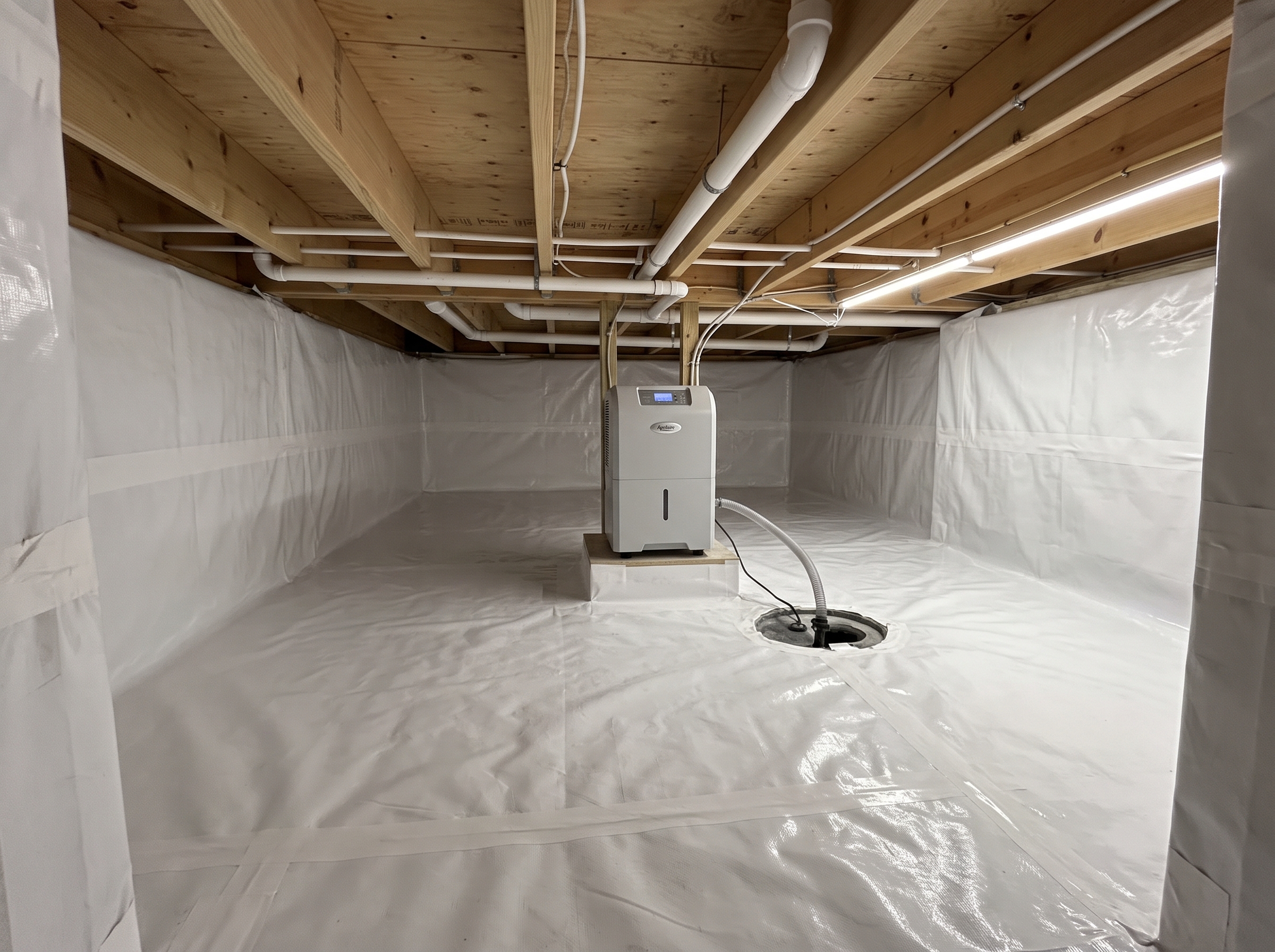
Encapsulation turns a damp, vented crawl space into a sealed, dry space. A full job usually includes:
- A heavy-duty liner (often 10 to 20 mil thick) covering the dirt floor and running up the foundation walls, with seams taped and sealed.
- Sealing the foundation vents and other openings so humid outdoor air can’t get in.
- Insulating the foundation walls (in many cases) instead of the floor above.
- A dehumidifier to keep humidity low, or conditioning the space through the HVAC system.
- Drainage and a sump pump if water collects in the crawl space.
It’s different from a vapor barrier, which is just a plastic sheet laid over the dirt floor, often with vents left open.
How much does it cost?
Approximate U.S. ranges; prices vary with size, access, region and the condition of the crawl space.
| Project | Typical cost |
|---|---|
| Basic vapor barrier only (floor) | About $1,500 – $4,000 |
| Small, simple encapsulation | About $2,000 – $5,000 |
| Average full encapsulation | About $5,000 – $15,000 |
| Large crawl space with drainage and repairs | About $15,000 – $25,000+ |
| Approximate price per square foot | About $3 – $8 (more with extras) |
Cost by component
| Component | Approximate cost |
|---|---|
| Heavy-duty liner (floor and walls), installed | Often the biggest part of the bill; depends on size and thickness |
| Sealing vents and openings | About $200 – $1,000 |
| Foundation wall insulation | About $1,000 – $4,000 |
| Crawl space dehumidifier, installed | About $1,000 – $3,000 |
| Sump pump and interior drainage | About $1,000 – $5,000+ |
| Mold remediation before sealing | About $500 – $4,000+ |
| Replacing rotted joists or subfloor | Varies widely; can add several thousand dollars |
| Removing old insulation and debris | About $500 – $2,500 |
Is crawl space encapsulation worth it?
Pros
- Controls moisture and mold under your home
- Protects wood joists and subfloors from rot
- Improves indoor air, since less damp, musty air rises into the house
- Can make floors above warmer and may improve energy efficiency, especially when walls are insulated and vents sealed
- Discourages pests like termites and insects that love damp spaces
- Adds usable storage in a clean, dry space
- Can help resale, as buyers and inspectors see a dry, sealed crawl space as a plus
Cons
- High upfront cost
- Ongoing costs: running the dehumidifier, and occasional maintenance
- Doesn’t fix everything: drainage problems, plumbing leaks or foundation issues still need separate repairs
- Needs good installation: gaps or poorly sealed seams reduce the benefits
- Local codes: sealing vents may require following specific building code rules
Signs you probably need it
- Musty smell on the ground floor
- Mold on joists or subfloor
- Standing water or wet soil under the house
- Damp, sagging or fallen insulation
- Condensation on pipes and ductwork
- Soft or uneven floors above
- High indoor humidity in a humid climate
Alternatives that cost less
| Alternative | Approximate cost | Best for |
|---|---|---|
| Fix gutters, downspouts and grading | About $100 – $3,000 | Water flowing toward the house; often the first step |
| Basic vapor barrier on the floor | About $1,500 – $4,000 | Drier climates, mild moisture |
| Crawl space dehumidifier alone | About $1,000 – $3,000 | Spaces that are already fairly sealed |
| Repair plumbing or duct leaks | Varies | Moisture from a specific leak |
The best approach often combines several: fix outside drainage first, then add a vapor barrier or full encapsulation as needed.
DIY or professional?
A handy homeowner can install a basic vapor barrier in a small, dry, easy-to-access crawl space and save a lot. Full encapsulation is harder: crawl spaces are tight and dirty, sealing must be airtight, and mold, drainage, electrical work for a dehumidifier and building code rules often come into play. For most homes, a professional is the better choice for full encapsulation.
Tips for choosing a contractor
- Get at least three written quotes that list liner thickness, wall coverage, vent sealing, insulation, dehumidifier model and drainage.
- Ask how they’ll handle existing mold and any wood damage before sealing.
- Ask about the warranty on the liner, the work and the dehumidifier.
- Check licenses, insurance and reviews, and ask for local references.
- Be wary of pressure tactics or quotes far higher than others without a clear reason.
Maintenance
- Check the liner once or twice a year for tears or loose seams.
- Keep the dehumidifier running and clean its filter; check that it drains properly.
- Watch humidity with a remote hygrometer; aim for below about 60%, ideally closer to 50%.
- Test the sump pump a few times a year if you have one.
- Keep gutters clean and downspouts pointed away from the house.
Frequently asked questions
Does crawl space encapsulation really work?
When done properly, it’s one of the most effective ways to keep a crawl space dry and prevent mold, especially in humid climates.
Does encapsulation increase home value?
It can help, especially in areas where crawl space moisture is common, because buyers and inspectors see it as a sign of a well-maintained home.
Do I need a dehumidifier after encapsulation?
Usually yes, or a way to condition the space through your HVAC system. Sealing keeps moisture out, but some still enters, and it needs to be removed.
How long does crawl space encapsulation last?
A quality liner can last many years, often 15 to 20 or more, if it’s not damaged. Dehumidifiers and sump pumps need replacing sooner.
Can I encapsulate a crawl space with mold?
The mold should be removed and the wood treated first. Sealing in active mold without fixing it is a mistake.
Sources
- U.S. Environmental Protection Agency (EPA): A Brief Guide to Mold, Moisture, and Your Home
- Centers for Disease Control and Prevention (CDC): Mold
Last reviewed: October 2026. This article is for general information and is not medical, legal or professional advice.